Live Sound
Backline and PA equipment solve different problems at a gig
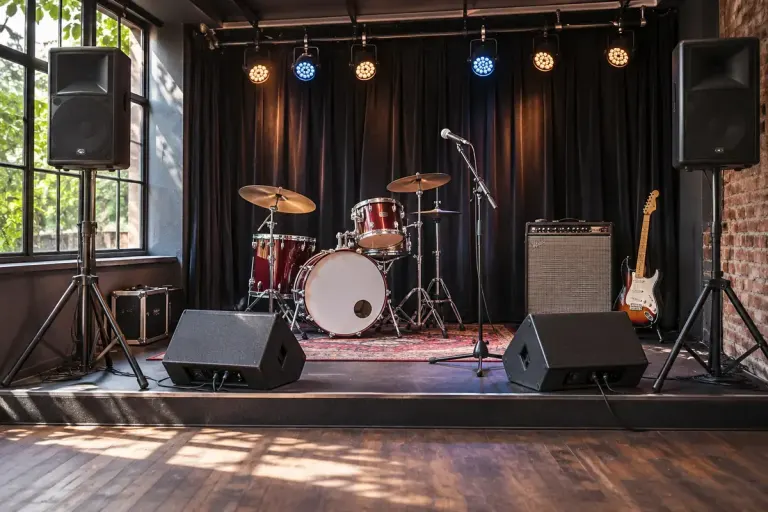
Separate backline from the PA when advancing a live show, and confirm the exact equipment each performer and venue will supply.

For the music and everything around it.
Separate backline from the PA when advancing a live show, and confirm the exact equipment each performer and venue will supply.
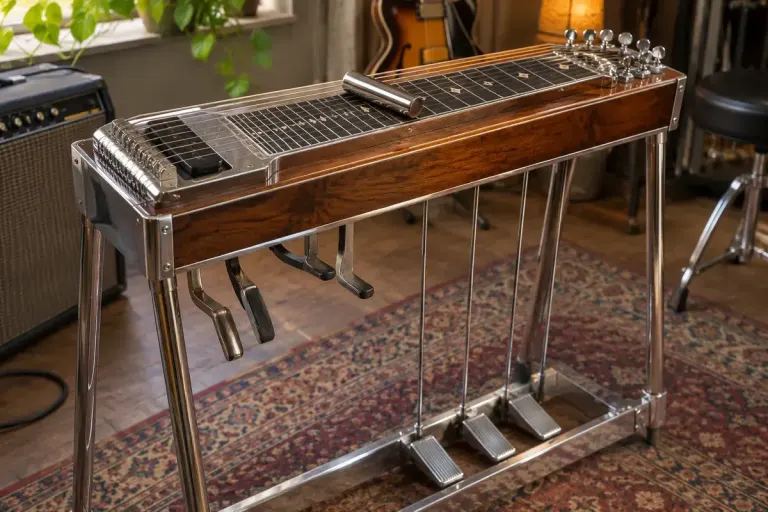
A pedal steel player can bend selected strings with pedals and knee levers. Listen to the moving notes inside the chord, not only the slide.
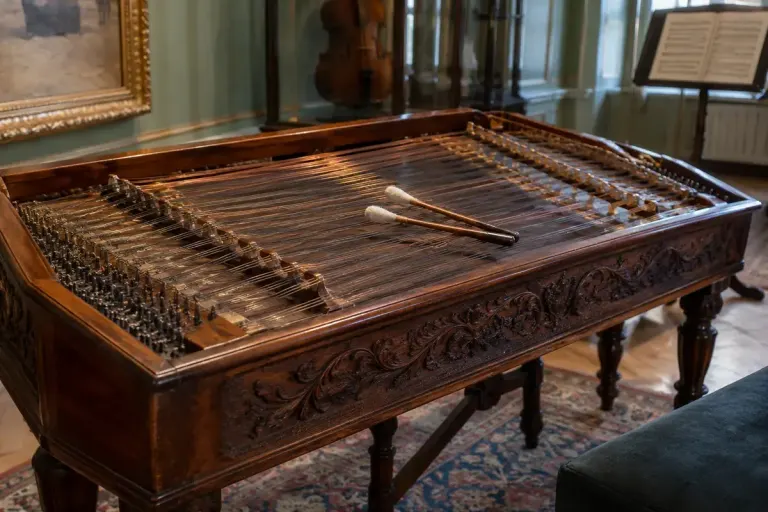
The cimbalom’s ringing sound comes from strings struck with small beaters. Learn what to watch and listen for when the instrument appears in an ensemble.
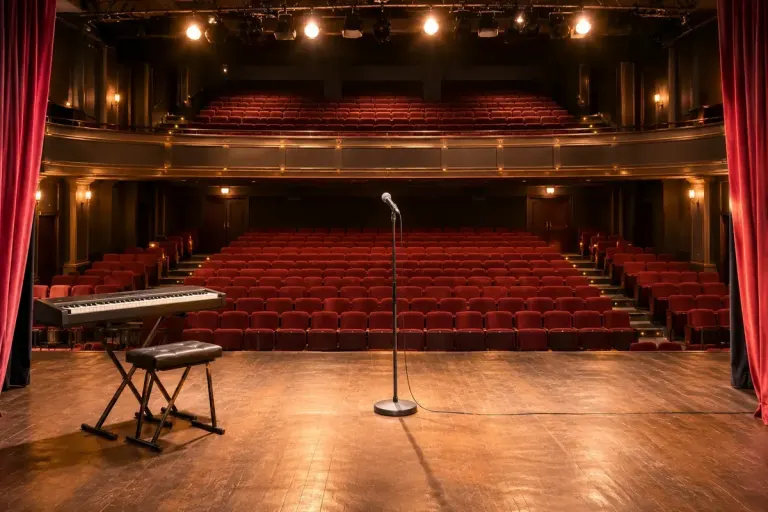
Stage left is defined from the performer’s view, while house left follows the audience. Use the distinction to read stage plans and avoid confused directions.
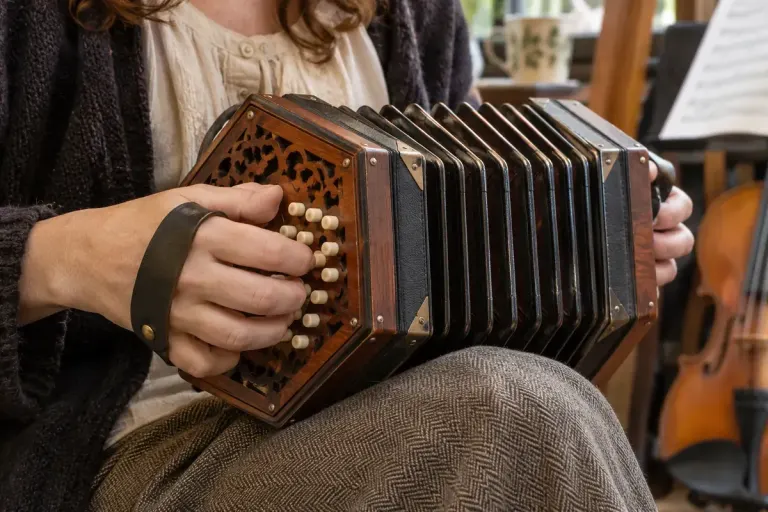
Buttons and bellows do not identify a playing system on their own. Learn what to ask when listening to a concertina or accordion.
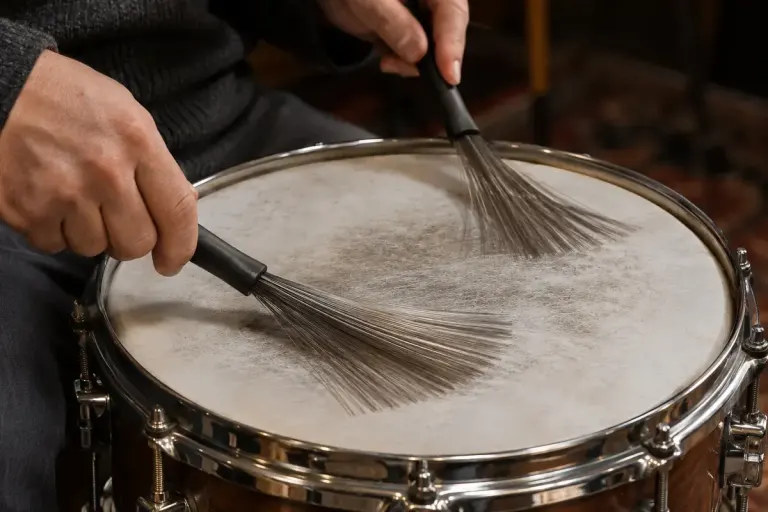
Listen for the sweep as well as the tap when a drummer plays brushes: continuous contact can carry a pulse of its own.
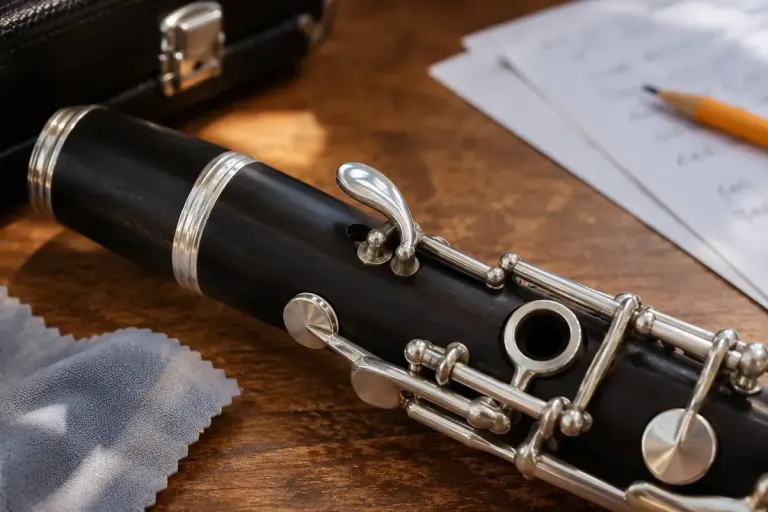
Hear why the clarinet moves into a higher register by a twelfth, and use a short listening exercise to separate register from volume.
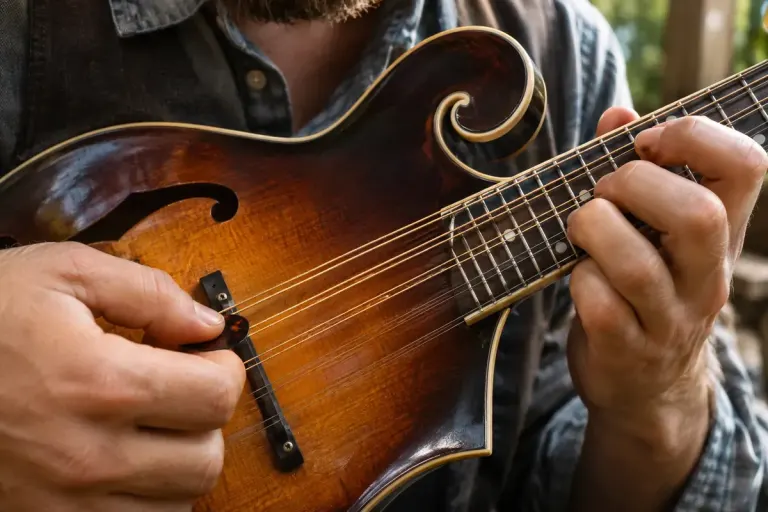
A standard mandolin’s eight strings form four paired courses. Learn why the pairs matter when tuning, reading music, and listening for a wavering note.
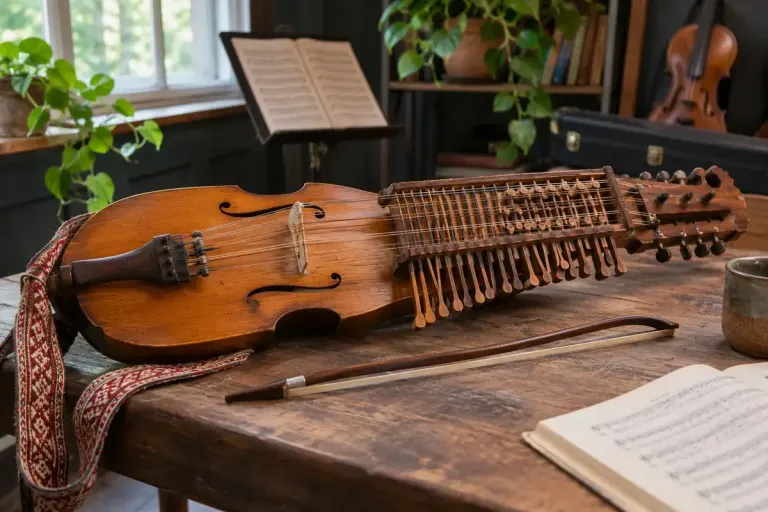
Meet the nyckelharpa, a bowed instrument with keys and resonating strings, and learn what to watch and listen for when you encounter it in a live performance.