
Music Listening
Hearing three against two: a first way into polyrhythm
Three-against-two rhythm fits three evenly spaced notes and two evenly spaced notes into the same span. Try a six-part counting exercise to hear both layers.

For the music and everything around it.
Independent notes on festival planning, live music and getting more out of the shows you choose.
Plan your festival day →
Three-against-two rhythm fits three evenly spaced notes and two evenly spaced notes into the same span. Try a six-part counting exercise to hear both layers.

A concert hall changes what reaches your ears after each note. Listen for reverberation, clarity and the effect of position without confusing them with loudness.
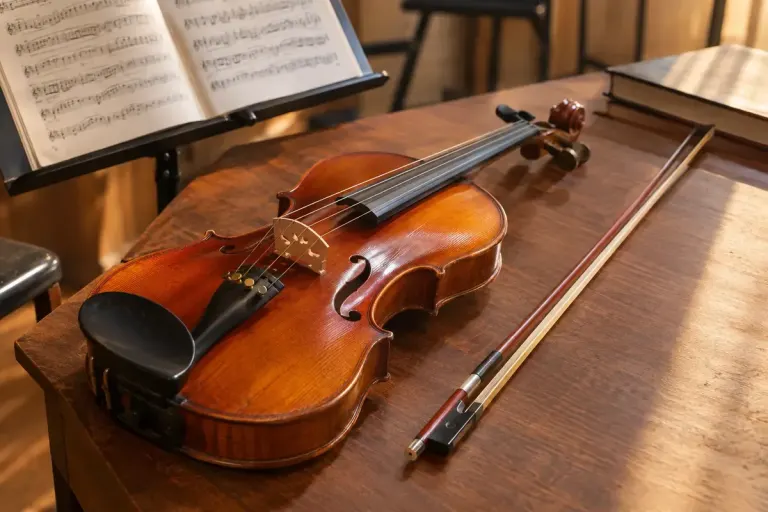
Col legno uses the wood of a string player’s bow. Hear the difference between its struck and drawn forms, then follow what that change does to the music.
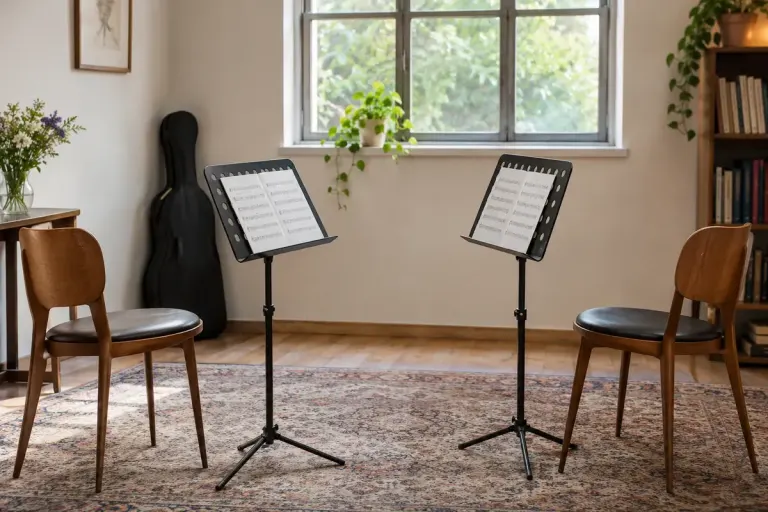
Hocket breaks a musical line into interlocking fragments. Try a simple two-person rhythm exercise, then listen for the spaces between the notes.
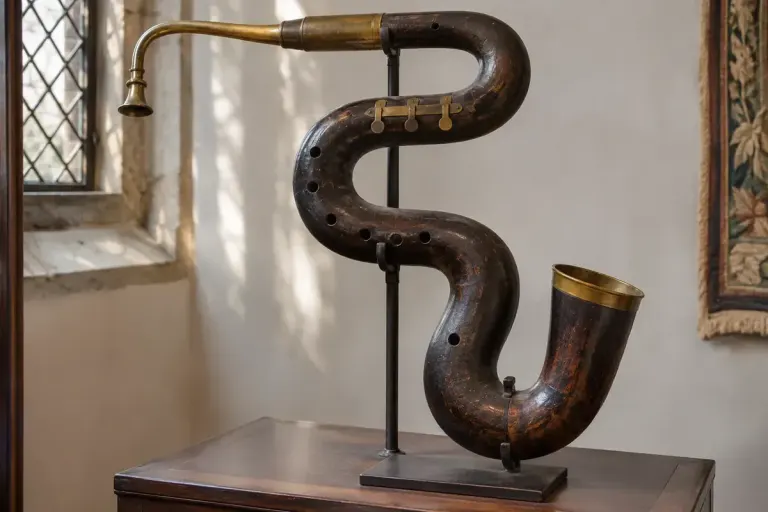
The serpent’s wooden body and finger holes can be misleading. Its lip-vibrated mouthpiece explains why instrument families are not simply material labels.
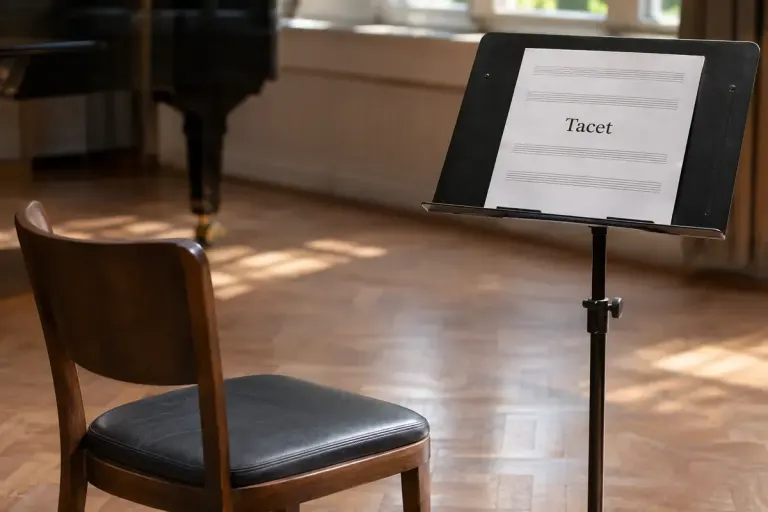
Tacet tells a player to remain silent for a movement or extended section. Learn how the instruction changes rehearsal preparation and attentive listening.