Instruments and Listening
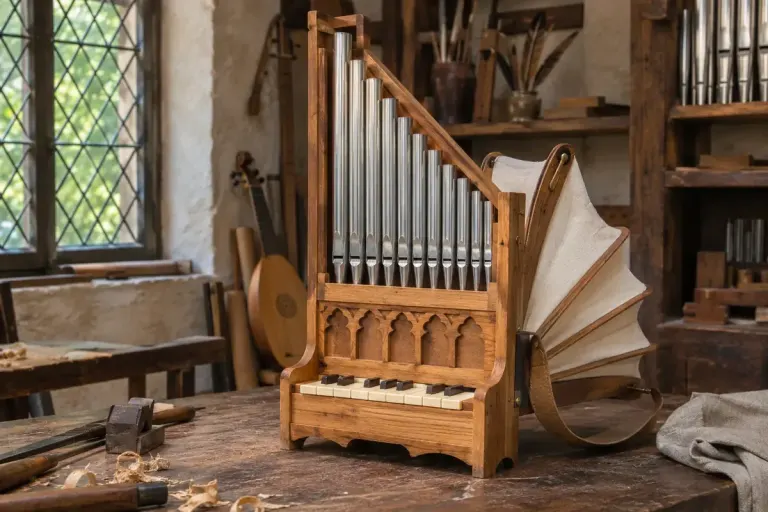
Listen to the bellows: the compact world of the portative organ
A portative organ combines keys, pipes and a hand-operated air supply. Learn what to watch in a performance and how it differs from a large church organ.

For the music and everything around it.
A portative organ combines keys, pipes and a hand-operated air supply. Learn what to watch in a performance and how it differs from a large church organ.
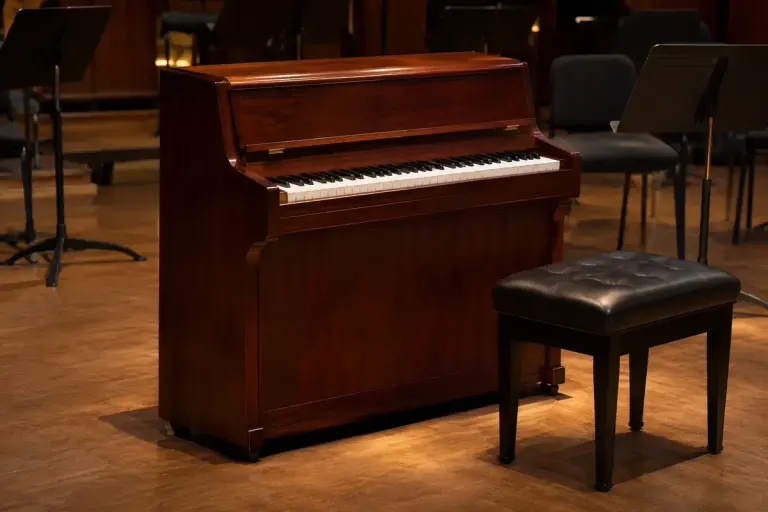
The celesta combines a keyboard with struck metal plates. Learn how its sound differs from a piano and what to listen for in a recording.
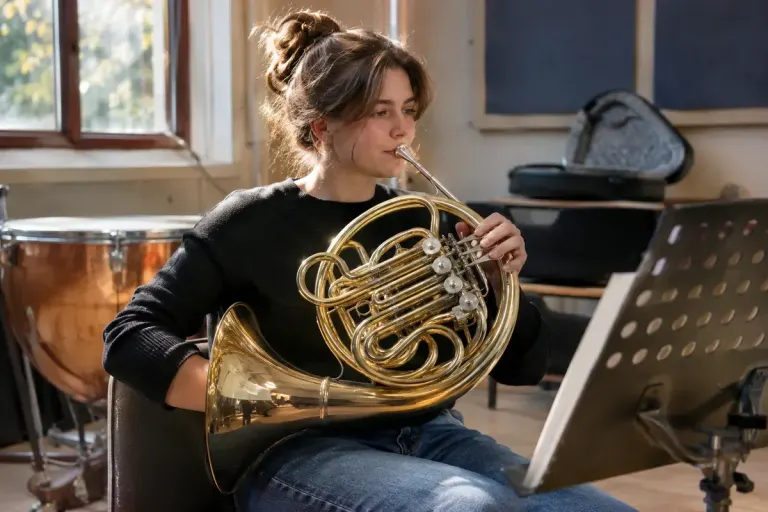
A horn player’s hand inside the bell affects sound and pitch. Learn what to watch and hear without confusing ordinary placement with hand-stopping.
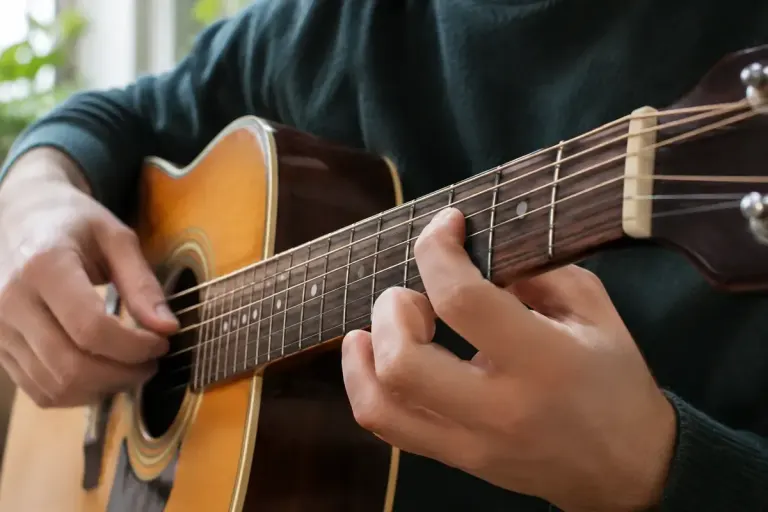
Natural harmonics reveal a string’s vibrating patterns. Compare a light touch at the twelfth fret with a normally fretted note.
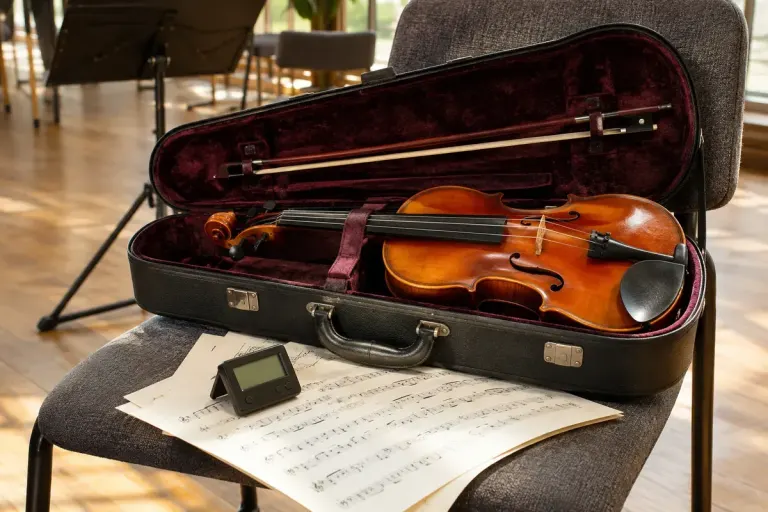
Scordatura deliberately changes normal string tuning. Hear how it contributes to musical character, and distinguish the tuning instruction from the key signature.
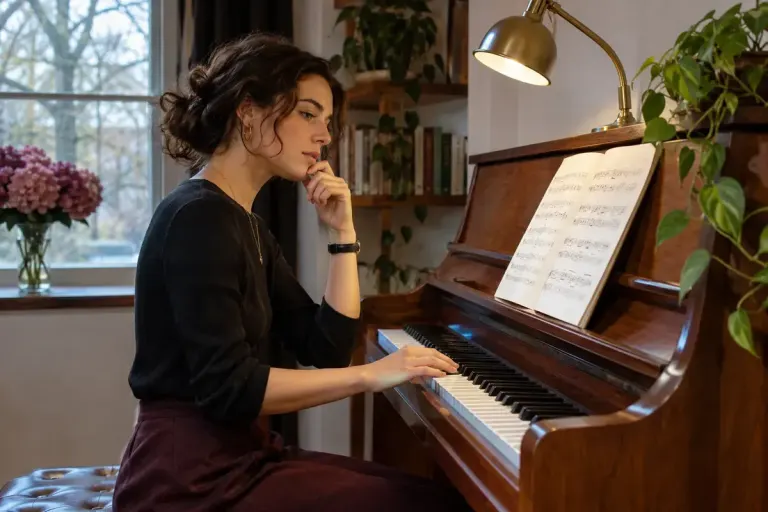
Hear how a minor-key piece can close with a major tonic chord. A simple keyboard comparison makes the Picardy third easier to recognise.
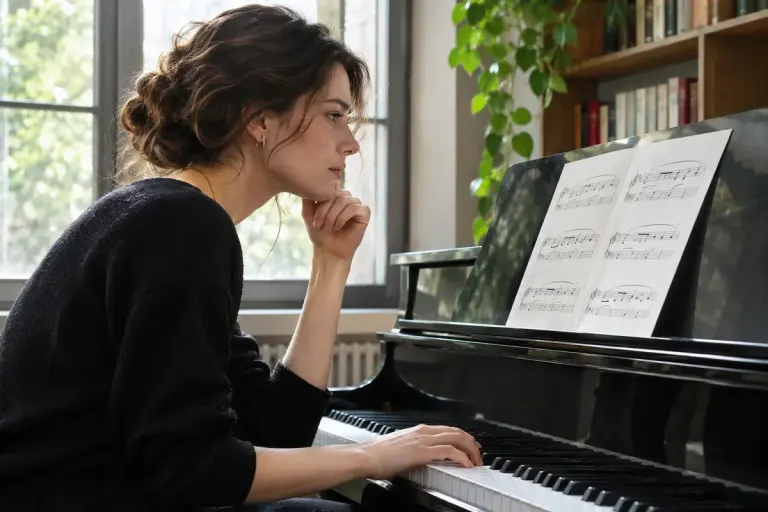
A pedal point keeps a pitch in place through changing harmony. Try a short keyboard example and listen for how a stable bass can create changing tension.
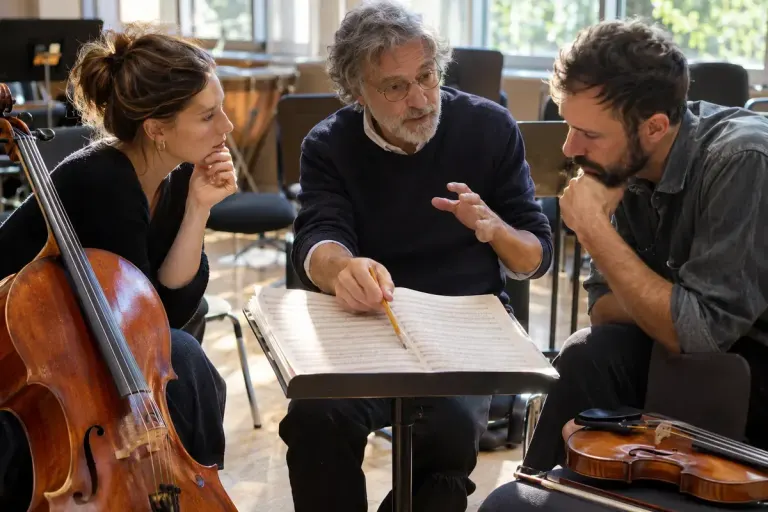
Hear a simple hemiola by keeping six pulses steady and changing their grouping. Try an accent exercise before following the effect in a performance.
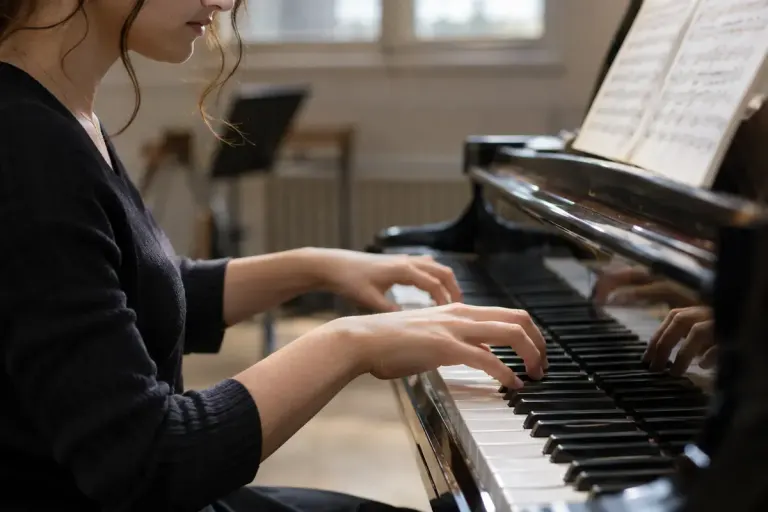
Rubato allows expressive flexibility in musical time. Try a focused listening exercise that separates a shaped phrase from a simple permanent change of tempo.