The Ultimate Guide to Maltese Wine Tasting and Vineyard Tours
Sundown Malta >> Malta Travel Guide>>Destinations>> The Ultimate Guide to Maltese Wine Tasting and Vineyard Tours
The Ultimate Guide to Maltese Wine Tasting and Vineyard Tours
The Ultimate Guide to Maltese Wine Tasting and Vineyard Tours
Wine tasting Malta is an incredible experience, offering a fascinating journey into centuries of grape-growing traditions, unique limestone-rich soils, and sun-drenched Mediterranean vineyards.
Malta may be famous for its dramatic coastlines, ancient cities, and sunny Mediterranean climate, but its wine culture deserves just as much attention. With centuries of grape-growing traditions and a growing reputation for quality wines, the Maltese islands offer a fascinating experience for curious wine travelers.
Maltese wine tasting is an opportunity to discover local grape varieties, meet passionate producers, and enjoy wines shaped by the island’s distinctive climate and limestone-rich soils.
Whether you are a complete beginner or an experienced wine enthusiast, exploring Malta’s vineyards adds a memorable dimension to any Mediterranean holiday.
Why Maltese Wine Is Worth Discovering
Malta’s warm, dry climate creates favorable conditions for grape cultivation. Long hours of sunshine help grapes develop ripe fruit characteristics, while cooling Mediterranean breezes can help moderate the heat in vineyard areas.
The islands also have a long history of winemaking. Modern producers combine traditional knowledge with contemporary viticulture and cellar techniques, creating wines that reflect both Maltese heritage and modern wine trends.
For visitors, this means a wine experience that is distinctly local rather than simply another version of a larger European wine region.
Wine travelers can explore everything from crisp whites and refreshing rosés to fuller-bodied reds. Many tasting experiences also introduce visitors to indigenous grapes that are less familiar outside Malta.
Exploring Malta Vineyard Tours
One of the best ways to understand Maltese wine is to visit the vineyards where the grapes are grown.
Malta vineyard tours allow travelers to see the landscape behind the bottle. Walking through the vines provides useful insight into how soil, sunlight, wind, and farming practices influence the final character of a wine.
A vineyard visit may include a guided walk, an explanation of local grape varieties, a look at the winemaking process, and a tasting session.
For travelers who want a more personalized experience, a Maltese wine experience can provide a convenient way to incorporate wine discovery into a wider island itinerary.
What to Expect During a Vineyard Visit
Most vineyard experiences begin with an introduction to the estate and its history. Your guide may explain how grapes are cultivated and why certain varieties perform well in Malta’s Mediterranean conditions.
The tour can then move toward the winery or cellar, where visitors learn about fermentation, aging, blending, and bottling.
The tasting itself is often the highlight. Instead of simply drinking the wine, pay attention to its aroma, acidity, body, fruit character, and finish.
Taking a few moments between sips can make the tasting much more interesting, even if you have little previous wine knowledge.
Discovering Gellewza, Malta’s Indigenous Red Grape
One of the most exciting aspects of Maltese wine is the opportunity to encounter indigenous grape varieties.
Gellewza is particularly important because it is a traditional Maltese red grape associated with the islands’ local winemaking identity.
The variety is often used in blends and can contribute color, fruit character, and structure to Maltese red wines. Its presence makes local wine tasting different from tasting wines based primarily on internationally recognized varieties.
For wine enthusiasts, discovering Gellewza is one of the best reasons to include Maltese indigenous wines in a Mediterranean wine itinerary.
How to Taste Gellewza
When tasting a wine containing Gellewza, begin by observing its appearance before moving to the aroma.
Swirl the glass gently and look for fruit-forward aromas and other characteristics that emerge as the wine opens. Then take a small sip and consider the balance between acidity, fruit, tannins, and alcohol.
The goal is not to identify every individual aroma. Instead, focus on the overall impression and how the wine feels on the palate.
Comparing a Gellewza-based wine with a wine made from a more familiar international variety can also help you understand what makes Maltese wine distinctive.
Other Grape Varieties to Look For
Although indigenous grapes are a major attraction, Maltese wine is not limited to local varieties.
Producers also work with internationally recognized grapes, including varieties commonly associated with Mediterranean and European winemaking.
This combination creates an interesting tasting landscape. Travelers can compare familiar grape styles with wines that express Malta’s own viticultural identity.
When planning wine tours in Malta, consider choosing an experience that includes several grape varieties rather than focusing on only one type of wine.
This makes it easier to appreciate how different grapes respond to Malta’s climate and winemaking techniques.
The Mediterranean Climate and Maltese Wine
Climate is one of the most important factors influencing wine. Malta’s Mediterranean environment is characterized by abundant sunshine, relatively dry conditions, and maritime influences.
These conditions can encourage grapes to reach good levels of ripeness while maintaining characteristics that contribute to balanced wines.
The island’s limestone soils are another important part of the story. Soil influences water availability, vine growth, and ultimately the way grapes develop throughout the growing season.
For anyone following a Mediterranean wine guide, Malta offers an intriguing example of how island geography can shape wine production.
How to Make the Most of Maltese Wine Tasting
A little preparation can make a vineyard visit considerably more enjoyable.
Start by avoiding strong fragrances before your tasting. Perfume and heavily scented products can interfere with your ability to appreciate wine aromas.
Drink water throughout the experience, especially during Malta’s warmer months. Staying hydrated helps you remain comfortable and makes it easier to concentrate on the wines.
It is also worth taking simple notes. You do not need sophisticated wine vocabulary. Words such as fresh, fruity, dry, rich, crisp, earthy, or spicy are enough to record your impressions.
If you discover a wine you particularly enjoy, ask your guide what food would pair well with it. Food pairing can reveal another layer of a wine’s personality.
Travelers looking for a relaxed Malta wine tasting tour can also combine vineyard visits with sightseeing, local cuisine, and time in Malta’s historic villages.
Pairing Maltese Wine With Local Food
Wine is best understood alongside food, and Malta’s cuisine offers plenty of opportunities for memorable pairings.
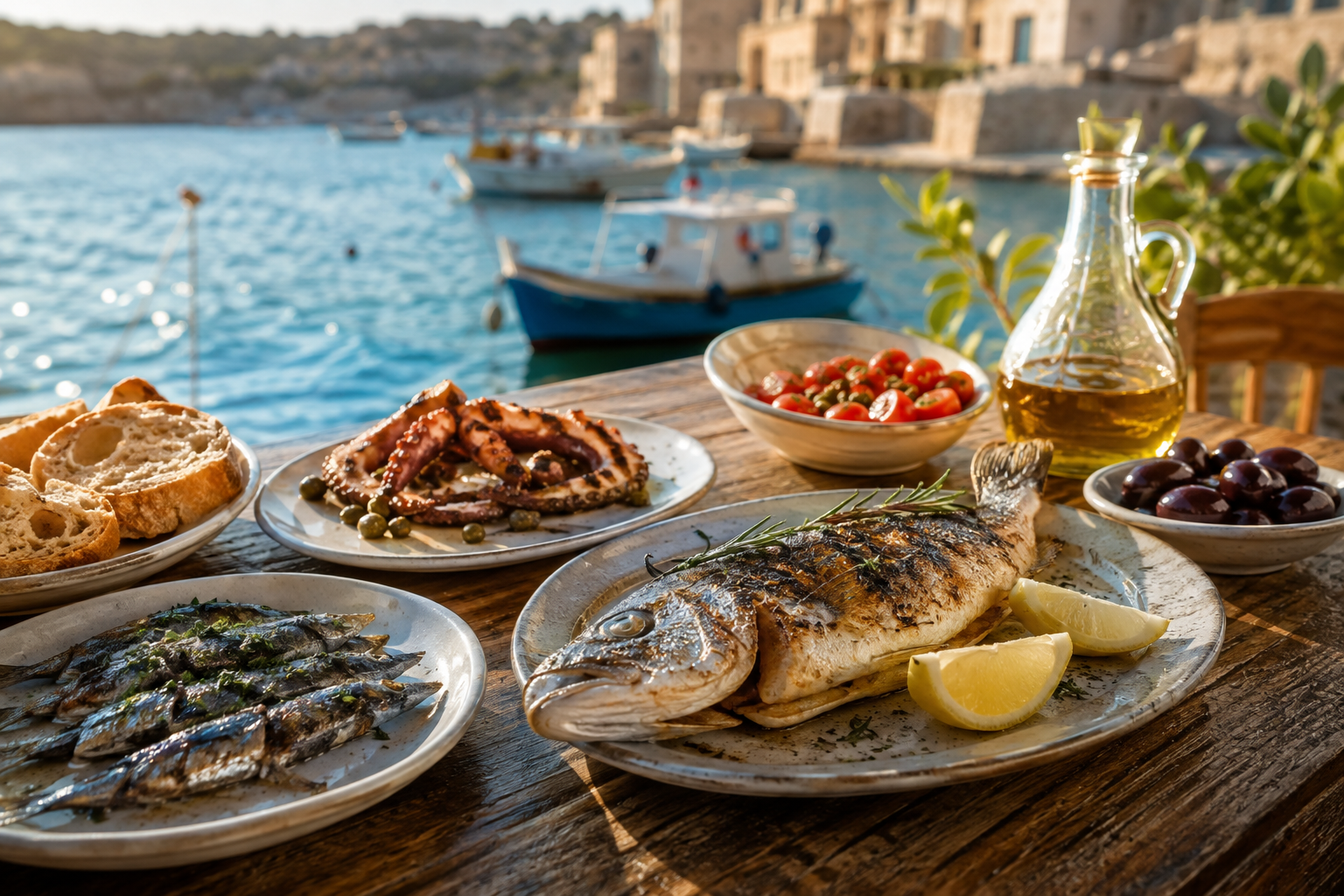
Fresh seafood works naturally with many crisp white and rosé wines. Richer dishes can be paired with fuller-bodied reds, while lighter local specialties may complement wines with bright acidity.
Traditional Maltese ingredients such as tomatoes, olives, herbs, cheese, and seafood can highlight different qualities in the glass.
Rather than searching for strict rules, experiment with combinations and pay attention to how the food changes the wine’s taste.
A thoughtfully planned Maltese vineyard experience can therefore become both a wine adventure and a culinary journey.
When to Plan Your Vineyard Adventure
Malta’s pleasant climate makes wine tourism possible across much of the year, although the character of the experience can vary by season.
Spring offers a greener vineyard landscape, while summer brings long, bright days that are ideal for combining wine activities with other outdoor experiences.
Autumn is especially interesting for wine enthusiasts because it is associated with the grape-growing and harvest cycle. Visiting during this period can provide a closer look at the agricultural side of winemaking.
Before booking, check what type of experience is available during your chosen travel dates. Some visits may emphasize vineyard scenery, while others focus more heavily on cellar activities and tastings.
Choosing the Right Maltese Wine Experience
Not every traveler wants the same type of wine tour.
Beginners may prefer an introductory tasting that explains the basics of wine appreciation. Experienced enthusiasts might enjoy a deeper exploration of grape varieties, production methods, and regional characteristics.
Couples may prefer a relaxed tasting combined with food, while small groups might enjoy a more social vineyard visit.
When comparing Malta vineyard experiences, consider the duration, tasting format, food options, vineyard access, and the opportunity to learn about indigenous varieties.
The best experience is one that matches your interests rather than simply offering the largest number of wines.
A Unique Addition to a Mediterranean Wine Guide
Malta deserves a place on any serious Mediterranean wine itinerary.
Its combination of indigenous grapes, maritime climate, limestone landscapes, and evolving winemaking traditions creates a wine culture that is both distinctive and approachable.
For visitors, the attraction is not only the wine in the glass. It is the complete experience of connecting the bottle with the land, people, history, and cuisine of the Maltese islands.
A well-planned Maltese wine tour can turn an ordinary holiday into a deeper exploration of local culture.
Final Thoughts on Maltese Wine Tourism
Maltese wine tasting offers much more than an afternoon of sampling different bottles. It is a chance to discover an island through its vineyards and understand how climate, soil, history, and native grapes influence what appears in your glass.
Gellewza provides an especially compelling introduction to Malta’s indigenous wine heritage, while the country’s broader selection of local and international varieties offers plenty of diversity for curious travelers.
Whether you visit one vineyard or build an entire itinerary around wine, Malta provides a distinctive setting for discovering Mediterranean winemaking.
For travelers ready to explore beyond the island’s famous landmarks, wine tasting in Malta offers an authentic and flavorful way to experience the country’s agricultural traditions, local cuisine, and modern wine culture.
Related Post

A Beginner’s Guide to Scuba Diving in the Mediterranean Sea: Malta Wrecks and Marine Life
Scuba diving in the Mediterranean Sea offers an unforgettable introduction to the underwater world. Warm…