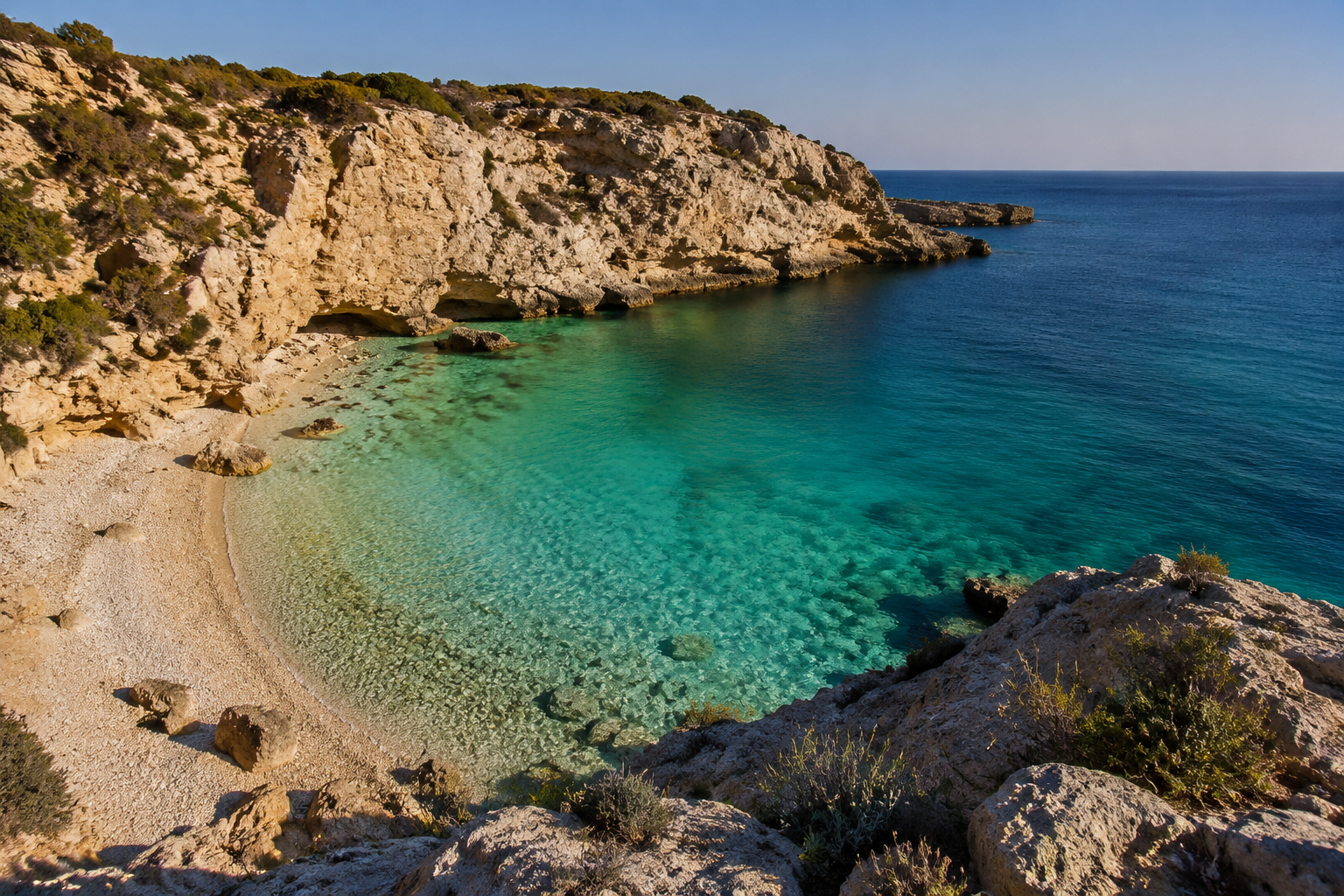
Malta Looks Small—So How Many Days Do You Actually Need to See It Properly?
Sundown Malta >> Destinations>> Malta Looks Small—So How Many Days Do You Actually Need to See It Properly?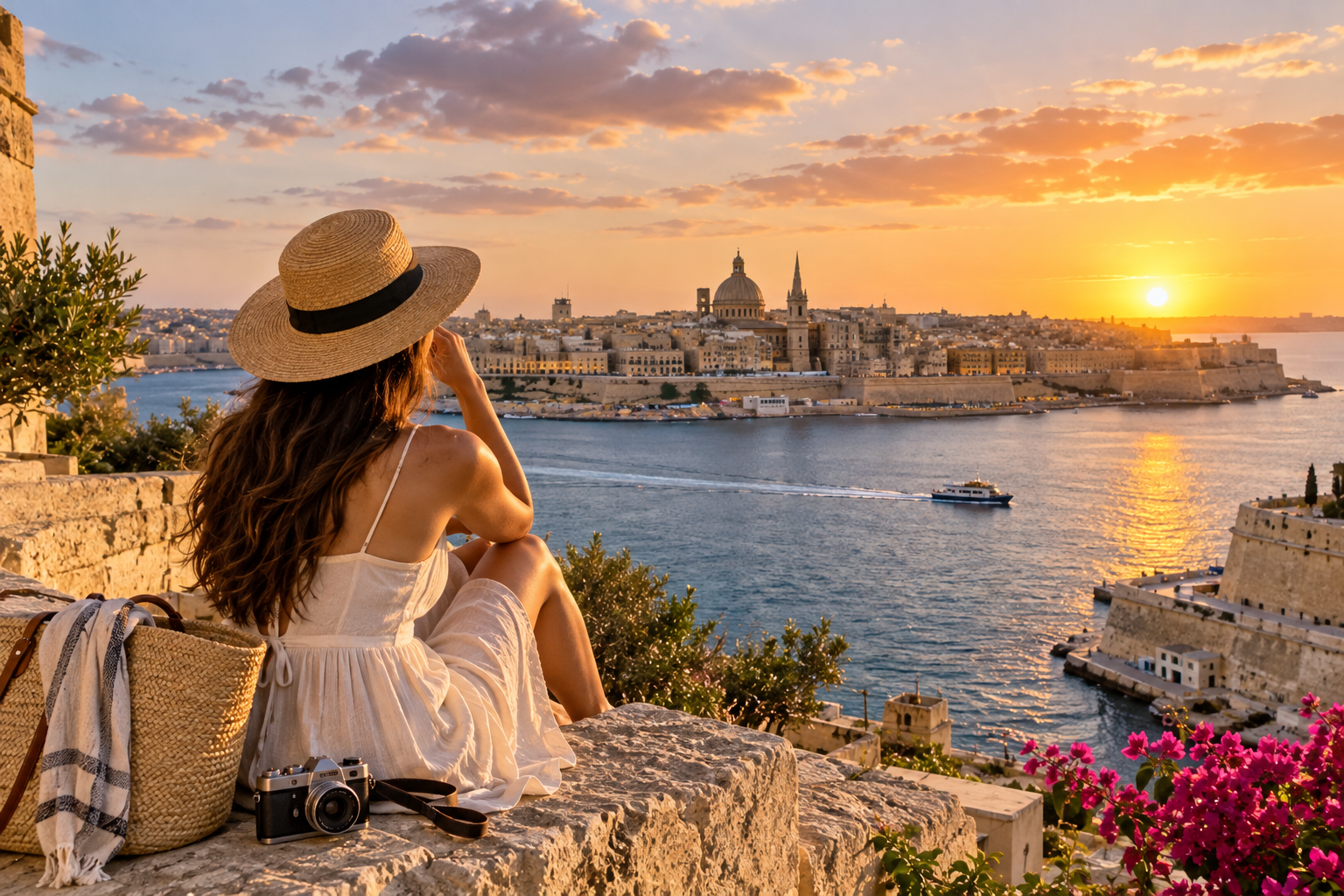
Malta Looks Small—So How Many Days Do You Actually Need to See It Properly?
You open the map.
Malta looks tiny.
Really tiny.
You zoom out.
Still tiny.
So the travel plan seems obvious.
“Three days should be plenty.”
Day one:
Valletta.
Mdina.
Three Cities.
Day two:
Gozo.
Comino.
Blue Lagoon.
Day three:
beaches,
fishing villages,
temples,
restaurants,
sunset,
and maybe somehow another island.
Perfect.
Except by the middle of the first day, you’re checking the time every fifteen minutes.
You haven’t finished lunch.
There’s another bus to catch.
The museum closes soon.
Sunset is approaching.
And that peaceful Mediterranean holiday has quietly transformed into a logistical competition.
Malta’s compact size can be misleading.
Distances aren’t enormous, but good travel isn’t measured only in kilometers. Historic towns reward wandering, swimming takes time, ferries introduce schedules, restaurants aren’t supposed to feel like pit stops, and Gozo can easily deserve more than a hurried afternoon.
So how many days do you need in Malta?
For many travelers, somewhere around five to seven days creates a comfortable balance.
But the better answer depends on what kind of trip you’re actually trying to have.
A Small Country Can Still Be a Big Travel Experience
Travelers often estimate trip length by looking at physical size.
Large country?
Need weeks.
Small island?
Weekend.
But destination size and experience density aren’t the same thing.
Malta packs a surprising amount into a relatively compact area.
You have:
historic cities,
fortified towns,
coastal scenery,
swimming spots,
archaeological sites,
villages,
harbors,
churches,
restaurants,
nightlife,
and neighboring islands.
You can travel relatively short distances and still encounter very different experiences.
The Problem Isn’t Distance—It’s Time Spent at Each Place
Suppose two attractions are only thirty minutes apart.
Sounds easy.
But the real schedule might include:
walking to transport,
waiting,
traveling,
finding the entrance,
exploring,
having lunch,
stopping for photos,
and eventually returning.
A “30-minute journey” can influence several hours of your day.
That’s why packing ten nearby locations into one itinerary can still feel exhausting.
Malta Rewards Travelers Who Stop Moving
Some destinations are mainly about seeing a landmark.
Arrive.
Look.
Photo.
Leave.
Malta often works better when you allow time between the landmarks.
Sit near the harbor.
Walk through a side street.
Have coffee.
Stay for sunset.
Take a swimming break.
Choose dinner because the restaurant looks interesting rather than because your spreadsheet says dinner starts at 7:05 PM.
These slower moments are often what make an island trip actually feel like an island trip.
Is Three Days in Malta Enough?
Yes.
But with conditions.
Three days can work well if:
you’re visiting as part of a longer European trip,
you mainly want highlights,
you don’t mind active sightseeing,
or you’ve already accepted that you won’t see everything.
The mistake is expecting three days to provide a comprehensive Malta experience.
It won’t.
And that’s fine.
What a Three-Day Malta Trip Should Do
Choose priorities.
Not everything.
A reasonable short trip might focus on:
one major historical area,
one additional town or harbor area,
and one coastal or island experience.
That’s already enough to create variety.
Day One Could Focus on Valletta
Rather than landing and immediately trying to conquer half the country, give Valletta proper attention.
Walk.
Explore the streets.
Visit the waterfront.
Stop for food.
Enjoy the architecture.
Stay into the evening if you like the atmosphere.
One city can fill a day surprisingly easily when you’re actually experiencing it rather than collecting locations.
Day Two Could Be Mdina and Nearby Areas
Mdina creates a very different mood from Valletta.
Its quieter streets and historic character reward slower exploration.
Depending on your interests and pace, you could combine it with nearby Rabat or another manageable stop.
The important word is:
manageable.
Day Three Could Become Your Coast or Island Day
This might mean:
a beach,
a boat excursion,
Comino,
or another coastal destination.
Now your short trip contains:
history,
culture,
and sea.
That’s a much stronger three-day experience than trying to visit fifteen places badly.
Don’t Use Three Days to “Finish Malta”
You won’t.
Instead, use three days to get a satisfying introduction.
That mindset changes everything.
Four Days Gives You Breathing Room
One additional day sounds small.
It isn’t.
That fourth day can remove pressure from the entire itinerary.
Suddenly you don’t have to combine:
Valletta
and
Mdina
and
Three Cities
before dinner.
You can separate experiences.
Four Days Works Well for First-Time Visitors Who Like Active Trips
You still need priorities.
But you have enough time to include:
history,
coast,
food,
and potentially an island excursion
without every day becoming extreme.
Five Days Is a Strong Sweet Spot
For many first-time visitors, five days is where Malta starts feeling much easier.
You can explore major highlights while still having room for:
longer lunches,
unexpected stops,
weather changes,
and evenings that aren’t dominated by tomorrow’s alarm.
Five Days Lets You Stop Treating Every Day Like a Mission
This matters.
Vacation fatigue is real.
Wake early.
Walk all day.
Travel.
Check maps.
Make decisions.
Repeat.
By day four, even beautiful architecture can start receiving:
“Yeah, nice building.”
That’s usually a sign your itinerary is too aggressive.
Build One Main Theme Per Day
Instead of organizing your trip as:
“Places I Must Complete,”
try:
“Main Experience of the Day.”
For example:
Valletta day.
Mdina and central Malta day.
Coastal day.
Gozo day.
Flexible day.
This structure is easier to adapt.
Why Five Days Works
You have enough variety to avoid repetition.
But the trip remains compact enough for travelers with limited vacation time.
You can see major areas without feeling obligated to wake before sunrise every morning.
Six Days Gives You More Freedom
The difference between five and six days isn’t simply:
one more attraction.
It can be:
one less rushed trip.
Maybe you spend longer on Gozo.
Maybe the beach afternoon becomes an actual beach afternoon instead of ninety scheduled minutes.
Maybe you return somewhere you liked.
Repeating a Place Isn’t Wasting Travel Time
This is an underrated idea.
Suppose you love Valletta in the evening.
Why not return?
Travel itineraries sometimes make us feel that visiting the same area twice is inefficient.
But travel isn’t a checklist optimization problem.
If you enjoy somewhere?
Go back.
Seven Days Lets Malta Become a Holiday, Not Just a Sightseeing Trip
A full week changes the rhythm.
You can combine active days with slower ones.
That’s particularly valuable in warmer weather.
Morning sightseeing.
Long lunch.
Swim.
Rest.
Evening walk.
Suddenly you’re traveling differently.
A Seven-Day Trip Can Include Gozo More Naturally
Gozo deserves special attention.
Many travelers treat it as:
“that island we need to squeeze into Tuesday.”
You can certainly visit for a day.
But if you enjoy:
quiet landscapes,
villages,
coastlines,
and a slower atmosphere,
staying longer can make sense.
Malta and Gozo Shouldn’t Be Treated as Identical Experiences
They’re connected geographically.
But the pace can feel different.
Gozo often appeals to travelers who want more:
space,
scenery,
and slower exploration.
Consider Staying Overnight on Gozo
If your trip is long enough, this can remove the pressure of racing back after a day tour.
Morning and evening can feel different once day-trippers leave.
An overnight stay also lets you explore without constantly thinking about the return journey.
Is Gozo Worth Two Days?
For some travelers?
Absolutely.
Especially if you enjoy:
walking,
photography,
small towns,
coastal scenery,
or simply moving more slowly.
If you’re primarily interested in Malta’s main historical highlights, a day trip may be enough.
Again, your travel style determines the answer.
Comino Is Different Again
Comino is commonly associated with the Blue Lagoon and boat trips.
For many visitors, it functions more as a specific excursion than a destination requiring several days.
But timing matters.
Famous Places Attract Crowds
The more iconic the swimming spot, the more likely other travelers have also seen the same photos.
Crowds can significantly change the experience.
Earlier or Later Can Feel Different
Boat schedules and seasonal conditions matter, but visiting outside the busiest periods of the day can sometimes create a different atmosphere.
Always check current transport and access arrangements before going.
Don’t Build the Entire Trip Around One Instagram Photo
The sea looked empty in the photo.
Maybe the photographer arrived early.
Maybe it was off-season.
Maybe everyone else was standing directly behind the camera.
Travel photography doesn’t always show crowd conditions.
Season Changes How Many Days You Need
Five days in summer doesn’t necessarily feel identical to five days in winter.
Your daily rhythm changes.
Summer Encourages Slower Afternoons
Heat matters.
Walking through exposed streets at midday can be tiring.
You may naturally want:
morning sightseeing,
afternoon swimming or rest,
and evening exploration.
That means fewer major activities per day.
Longer Trips Work Well in Hot Weather
Because you don’t need to force sightseeing into the hottest hours.
You can spread activities across more days.
Shoulder Seasons Can Be Excellent for Exploring
Milder temperatures may make:
walking,
historic sightseeing,
and outdoor exploration
more comfortable.
You may accomplish more each day without feeling exhausted.
Winter Has a Different Rhythm
Beach-focused plans become less central.
Historical sites, food, towns, and cultural experiences may become more important.
Weather can also affect outdoor plans.
Always Leave Some Weather Flexibility
Imagine scheduling your one boat excursion for the only day with poor sea conditions.
Now what?
A flexible itinerary gives you options.
Don’t Lock Every Day Too Tightly
Reserve things that genuinely require reservations.
But leave some movable pieces.
For example:
Tuesday: Gozo if weather good.
Wednesday: Mdina.
If Tuesday looks bad?
Swap them.
Simple.
The Best Itinerary Has Backup Plans
Not because you expect disaster.
Because travel conditions change.
Wind.
Rain.
Transport.
Energy.
Closures.
You don’t control everything.
Arrival Day Is Not a Full Day
This mistake destroys itineraries everywhere.
Flight lands at 2 PM.
Therefore:
“Day One.”
Technically?
Yes.
Practically?
You still need to:
leave airport,
reach accommodation,
check in,
unpack,
eat,
and recover.
Don’t Schedule Major Attractions Immediately After Landing
Especially if they’re time-sensitive.
Flight delay?
Plan collapses.
Give Arrival Day a Simple Goal
Check in.
Walk nearby.
Eat something good.
See sunset.
That’s enough.
Arrival Evening Can Still Be Memorable
You don’t need three attractions to justify the day.
Sometimes the first slow walk after dropping your bags creates the strongest “we’re actually here” feeling.
Departure Day Isn’t a Full Day Either
Flight at 3 PM?
You don’t have until 3 PM for sightseeing.
You need time for:
checkout,
transport,
airport procedures,
and unexpected delays.
Don’t Schedule Your Most Important Experience on Departure Morning
That’s unnecessary stress.
Keep the final day simple.
Count Nights, Not Just Days
A “five-day trip” can mean very different things.
Monday evening arrival.
Friday morning departure.
That’s not really five full sightseeing days.
Look at usable time.
Ask: How Many Full Days Do I Actually Have?
This creates a more realistic itinerary immediately.
Travel Style Matters More Than People Admit
Two travelers can visit Malta for seven days and have completely different experiences.
Traveler A:
museum,
church,
fort,
town,
restaurant,
sunset.
Traveler B:
wake at 10,
coffee,
swim,
lunch,
nap,
dinner.
Neither is wrong.
Fast Travelers Need Fewer Days
If you enjoy:
early mornings,
long sightseeing days,
and frequent location changes,
you can cover more ground.
Slow Travelers Need More Days
If you enjoy:
cafés,
photography,
beaches,
long meals,
and spontaneous wandering,
give yourself more time.
Families May Benefit From Extra Time
Traveling with children changes pace.
Bathroom stops.
Snacks.
Rest.
Heat.
Unexpected fascination with one random staircase for twenty minutes.
You can’t schedule family travel like a solo backpacking sprint.
Build Shorter Days
One major attraction may be enough.
Add flexible activities around it.
Couples May Want More Unstructured Time
Especially if the trip is partly romantic.
You probably didn’t travel to the Mediterranean to argue because someone spent 17 minutes too long looking at a harbor.
Leave space.
Solo Travelers Can Often Move Faster
No group decision-making.
No waiting.
Change plans instantly.
But solo travelers may also enjoy slowing down because there is no pressure to satisfy anyone else’s itinerary.
Food Travelers Need More Time Than They Think
Why?
Because good meals take time.
You Can’t Explore Food Culture in 14-Minute Lunch Breaks
Sit down.
Order.
Talk.
Try something new.
Maybe dessert happens.
Maybe coffee happens.
That’s part of the trip.
Don’t Schedule Dinner Between Attractions
Dinner can be the evening activity.
Especially somewhere with a pleasant waterfront, square, or historic atmosphere.
Beach Travelers Should Add Days
A beach day isn’t efficient sightseeing.
That’s the point.
You arrive.
Swim.
Dry.
Swim again.
Eat.
Do absolutely nothing for an hour.
Excellent.
Don’t Turn Beach Time Into Another Checklist
Beach A:
45 minutes.
Beach B:
37 minutes.
Beach C:
photo.
Why?
Choose somewhere you like.
Stay.
History Lovers Can Easily Fill a Week
Malta has layers of history that go far beyond one old city.
Prehistoric sites.
Fortifications.
Religious architecture.
Military history.
Maritime history.
Different periods overlap across the islands.
Don’t Try to Understand Everything in One Afternoon
Historical travel becomes much more interesting when you have enough time to connect locations.
Valletta Makes More Sense After Seeing the Harbors
Fortifications make more sense when you understand the geography they protected.
Places begin connecting.
That’s when sightseeing becomes more than isolated facts.
Archaeology Adds Another Layer
Travelers interested in ancient history may want dedicated time for archaeological sites rather than squeezing them between beach stops.
Museums Take Longer Than Google Maps Suggests
Google:
“You have arrived.”
Yes.
Now you need to actually go inside.
Read Your Own Travel Personality
Do you spend:
20 minutes
or
two hours
inside museums?
Your itinerary should know the answer.
Photography Can Double Your Travel Time
Beautiful street?
Stop.
Interesting doorway?
Stop.
Harbor light?
Stop.
Cat sitting perfectly on ancient stone?
Obviously stop.
Photographers shouldn’t plan itineraries based on normal walking times.
Sunrise and Sunset Matter Too
If photography is important, you may organize days around light rather than attraction opening times.
That changes the schedule significantly.
Nightlife Travelers Need Later Mornings
You can’t realistically plan:
nightlife until 2 AM
and
historical walking tour at 7 AM
every day.
Choose your priorities.
Sleep Is Part of Travel Planning
Exhaustion makes everything worse.
Food tastes less exciting.
Walking feels harder.
Small problems become irritating.
You Don’t Get Bonus Points for Returning Home Exhausted
A holiday doesn’t need to defeat you.
Don’t Copy Someone Else’s “Ultimate Malta Itinerary” Exactly
Their:
budget,
interests,
fitness,
season,
hotel location,
and travel style
may be completely different.
Use itineraries for structure.
Then customize.
Start With Your Non-Negotiables
Write down the three experiences you would genuinely regret missing.
Only three.
Maybe:
Valletta,
Gozo,
and a beach day.
Great.
Schedule Those First
Then build around them.
This prevents less important attractions from consuming your best time.
Separate “Must See” From “Would Be Nice”
These are not the same category.
Must see:
3–5 places.
Would be nice:
everything else.
Your “Would Be Nice” List Is Your Flexibility
Free afternoon?
Pick something.
Too tired?
Skip it.
No guilt.
Avoid Crossing the Island Repeatedly Without Reason
Malta isn’t huge.
But inefficient routing still wastes time.
Group Nearby Experiences
If several things you want to see are in the same general area, consider doing them together.
This reduces repeated travel.
But Don’t Over-Group
“Nearby” doesn’t mean:
we must visit all nine places today.
Geographic efficiency should support your experience, not dominate it.
Accommodation Location Changes the Trip
Where you stay influences:
evenings,
transport,
restaurants,
and how easily you begin each day.
Stay Near the Experience You Want Most Often
Want urban history and atmosphere?
Choose accordingly.
Want nightlife?
Different base.
Want quieter coastal time?
Different again.
There Is No Universally Best Area to Stay
The right base depends on your priorities.
Changing Hotels Costs Time
Pack.
Checkout.
Travel.
Wait.
Check in.
Unpack.
For short trips, staying in one base can often be easier.
Longer Trips Can Justify Splitting the Stay
For example, spending part of the trip on Malta and part on Gozo may create two distinct experiences.
Don’t Move Accommodation for One Night Without a Good Reason
Sometimes the logistical cost outweighs the benefit.
Five Nights Is Not Automatically Five Full Days
This deserves repetition because it’s one of the biggest planning errors.
Always examine:
arrival time
and
departure time.
Build a Realistic Day Count
Example:
Sunday evening arrival.
Monday full day.
Tuesday full day.
Wednesday full day.
Thursday full day.
Friday morning departure.
That’s roughly:
four full exploration days
plus
two partial days.
Plan accordingly.
What About a Weekend in Malta?
A weekend can absolutely be enjoyable.
Especially if you live relatively nearby and can return later.
Treat It Like a City Break Plus Island Atmosphere
Don’t attempt comprehensive exploration.
Choose a base.
Explore nearby.
Add one major excursion.
Enjoy food.
Done.
Weekend Trips Work Better When You Accept Their Limits
The problem isn’t short travel.
The problem is pretending short travel is long travel.
Is Ten Days Too Long?
Not necessarily.
For travelers who enjoy:
beaches,
slow mornings,
Gozo,
food,
history,
and relaxed exploration,
ten days can work beautifully.
Longer Trips Let You Have “Nothing Days”
No museum.
No excursion.
Maybe:
coffee,
swim,
book,
dinner.
That’s still travel.
Rest Days Prevent Sightseeing Fatigue
Especially on longer European trips where Malta is one stop among several.
Your body may need recovery.
You Don’t Have to Maximize Every Destination
The urge to “make the most of the trip” can accidentally make the trip worse.
More Activities Doesn’t Automatically Mean More Value
Ten rushed attractions aren’t necessarily better than three memorable experiences.
Memory Works Strangely
Years later, you may not remember the seventh church you visited on Tuesday.
But you’ll remember:
the quiet street at sunset,
the unexpectedly good dinner,
the swim after a hot day,
or the conversation you had overlooking the harbor.
Leave Space for Those Moments
They can’t always be scheduled.
A Simple Three-Day Malta Framework
For a short first trip:
Day 1: Valletta and nearby atmosphere.
Day 2: Mdina/Rabat or another historical area.
Day 3: coast, boat trip, or island experience.
Keep it focused.
A Simple Five-Day Malta Framework
For a balanced first trip:
Day 1: Valletta.
Day 2: Mdina and central Malta.
Day 3: Gozo or major island excursion.
Day 4: coast/beach and slower afternoon.
Day 5: Three Cities, fishing village, archaeology, or another personal priority.
Now you have variety.
A Simple Seven-Day Malta Framework
For a more relaxed trip:
Day 1: arrival and easy exploration.
Day 2: Valletta.
Day 3: Mdina/Rabat and surrounding areas.
Day 4: Gozo.
Day 5: second Gozo day or coastal exploration.
Day 6: beach/boat/Comino depending on season and conditions.
Day 7: flexible Malta day for food, culture, shopping, another town, or somewhere you want to revisit.
Adjust based on arrival and departure times.
Don’t Treat These as Rules
They’re frameworks.
Weather changes.
Interests change.
You might arrive somewhere and love it.
Stay longer.
That’s the Advantage of Extra Time
You can change your mind.
Schedule One Flexible Day
On a week-long trip, having one day without a strict plan can be incredibly useful.
Use it for:
bad-weather rescheduling,
a recommendation you heard locally,
a place you want to revisit,
or simply rest.
Flexibility Makes Travel Feel Luxurious
Not necessarily expensive.
Luxurious because you aren’t constantly fighting the clock.
Check Current Opening Hours
Attractions can have:
seasonal schedules,
holiday closures,
special events,
or temporary changes.
Verify important details close to your travel dates.
Do the Same for Ferries and Boats
Sea transportation can be affected by:
season,
weather,
and operating schedules.
Don’t build a critical itinerary around an assumption from an old blog post.
Keep Important Reservations, Leave the Rest Flexible
Certain popular experiences may benefit from advance booking.
But you don’t need a reservation for every hour of your existence.
Build Anchors, Not Chains
Morning attraction.
Dinner reservation.
Everything between?
Flexible.
That’s often enough structure.
Start Days Earlier When It Helps
Popular places can feel very different before peak crowds.
Early starts may also help during hot weather.
But Don’t Force Early Mornings Every Day
One sunrise day?
Great.
Seven consecutive 5:30 AM alarms?
You’re now attending Mediterranean boot camp.
Alternate Active and Relaxed Days
History-heavy day.
Beach day.
Gozo exploration.
Slow morning.
Your energy becomes easier to manage.
Wear Appropriate Shoes
Historic streets can involve:
stone,
slopes,
steps,
and long periods of walking.
Beautiful shoes that become painful after twenty minutes?
Not helpful.
Carry Water
Especially during warmer periods.
Hydration affects how enjoyable walking becomes.
Sun Protection Matters
Mediterranean sun can be intense.
Hat.
Sunscreen.
Shade.
Appropriate clothing.
Basic preparation makes long sightseeing days much easier.
Don’t Underestimate Wind
Coastal areas can feel very different depending on conditions.
A beautiful sunny forecast doesn’t necessarily mean completely calm weather.
Pack Layers Outside Peak Summer
Evenings and windy coastal locations may feel cooler than expected.
Travel Time Isn’t Wasted Time
This mindset helps.
Ferry ride?
Look around.
Bus through towns?
Observe.
Walk to dinner?
Explore.
You don’t need every minute to contain an official attraction.
Malta’s Scale Can Actually Help Slow Travel
Because major areas aren’t separated by enormous distances, you have more freedom to change plans.
Use that advantage.
Don’t use it as an excuse to schedule everything.
Your Itinerary Should Have White Space
Open your travel plan.
If every hour is filled?
Delete something.
Seriously
Delete one thing.
Your future self may thank you.
The Best Number of Days Depends on the Question
If you’re asking:
“Can I see Malta in three days?”
Yes.
If you’re asking:
“Can I see everything in three days?”
No.
If you’re asking:
“Can I have a satisfying first trip in five days?”
Very likely.
If you’re asking:
“Can I spend a relaxed week here?”
Absolutely.
Choose Trip Length Based on Experience, Not Country Size
That’s the real lesson.
A destination doesn’t need to be geographically large to deserve time.
FAQ
How many days do you need in Malta for a first visit?
Around five to seven days works well for many first-time visitors because it allows time for major historical areas, coastal experiences, and potentially Gozo without requiring an extremely rushed itinerary.
Is three days enough for Malta?
Three days can be enough for a short introduction if you prioritize carefully. Focus on a few major experiences rather than trying to see Malta, Gozo, Comino, multiple beaches, and every historical attraction in one trip.
Is seven days too long in Malta?
No. A week can be ideal for travelers who want to combine sightseeing with beaches, food, Gozo, slower mornings, and flexible time.
How many days should I spend in Gozo?
A day trip works for visitors wanting a quick overview, while one or two nights can suit travelers who prefer slower exploration, coastal scenery, villages, and a more relaxed pace.
Should I visit Malta and Gozo on the same trip?
Yes, especially if you have enough time. The two islands can offer different rhythms, making Gozo a useful addition to a longer Malta itinerary.
Can Malta be visited on a weekend?
Yes. A weekend works well as a focused short break, but it’s better to choose a few priorities instead of trying to cover the entire country.
Should I rent a car to see more places in Malta?
It depends on your itinerary, confidence driving locally, accommodation location, and the places you want to visit. Public transport, ferries, taxis, tours, and rental vehicles can all play different roles, so choose based on the trip rather than assuming a car is automatically necessary.
Conclusion
You look at Malta on the map.
Tiny island.
Five days?
“Surely that’s too much.”
Then you arrive.
You spend longer than expected in Valletta.
Lunch becomes two hours because nobody actually wants to leave.
You find a street that wasn’t on the itinerary.
You stop for coffee.
The next day, Mdina deserves more time than you planned.
Then there’s Gozo.
Then the coast.
Then a beach where everyone agrees:
“Can we just stay here?”
Suddenly the problem isn’t figuring out how to fill five days.
It’s deciding what you’re willing to skip.
That’s why Malta’s size can be deceptive.
Yes, distances are relatively compact.
But good travel takes time.
Time to walk.
Time to eat.
Time to swim.
Time to get slightly lost.
Time to sit somewhere beautiful without immediately asking:
“What’s next?”
Three days can introduce you to Malta.
Five days can give you a balanced first trip.
Seven days can let you experience it without turning every morning into a race.
The best number isn’t the one that lets you check the most boxes.
It’s the one that gives you enough room to occasionally forget the itinerary exists.
Because when you’re sitting near the Mediterranean at sunset, dinner still ahead and nowhere you urgently need to be?
You probably won’t be thinking:
“I wish we’d scheduled another museum at 6:15.”
Related Post
Knights Templar in Malta: History, Knights of Malta, and Magnificent Architectural Legacy
Malta rises from the Mediterranean like a fortress carved from golden stone. Behind its massive…