A Beginner’s Guide to Scuba Diving in the Mediterranean Sea: Malta Wrecks and Marine Life
Sundown Malta >> Destinations>>Sunset Malta>> A Beginner’s Guide to Scuba Diving in the Mediterranean Sea: Malta Wrecks and Marine Life
A Beginner’s Guide to Scuba Diving in the Mediterranean Sea: Malta Wrecks and Marine Life
Scuba diving in the Mediterranean Sea offers an unforgettable introduction to the underwater world. Warm sunshine, impressive visibility, sheltered bays, dramatic rock formations, and historic wrecks create excellent conditions for new divers.
Malta is especially attractive for beginners because many dive sites can be reached directly from shore. Calm training areas allow first-time divers to build confidence before progressing toward reefs, caves, and carefully selected wreck dives.
Why the Mediterranean Is Ideal for Beginner Divers
Mediterranean diving is known for relatively clear water and manageable conditions during the main diving season. Visibility frequently allows divers to see rock formations, marine life, and their dive partners from a comfortable distance.
The region also offers remarkable variety. A single trip may include shallow reefs, underwater arches, seagrass meadows, vertical walls, and wrecks with fascinating histories.
For travelers considering scuba diving in the Mediterranean, Malta provides an appealing combination of accessibility and underwater diversity. Numerous dive centers operate across the islands, making it easy to arrange introductory sessions, certification courses, and guided excursions.
Why Malta Stands Out as a Diving Destination
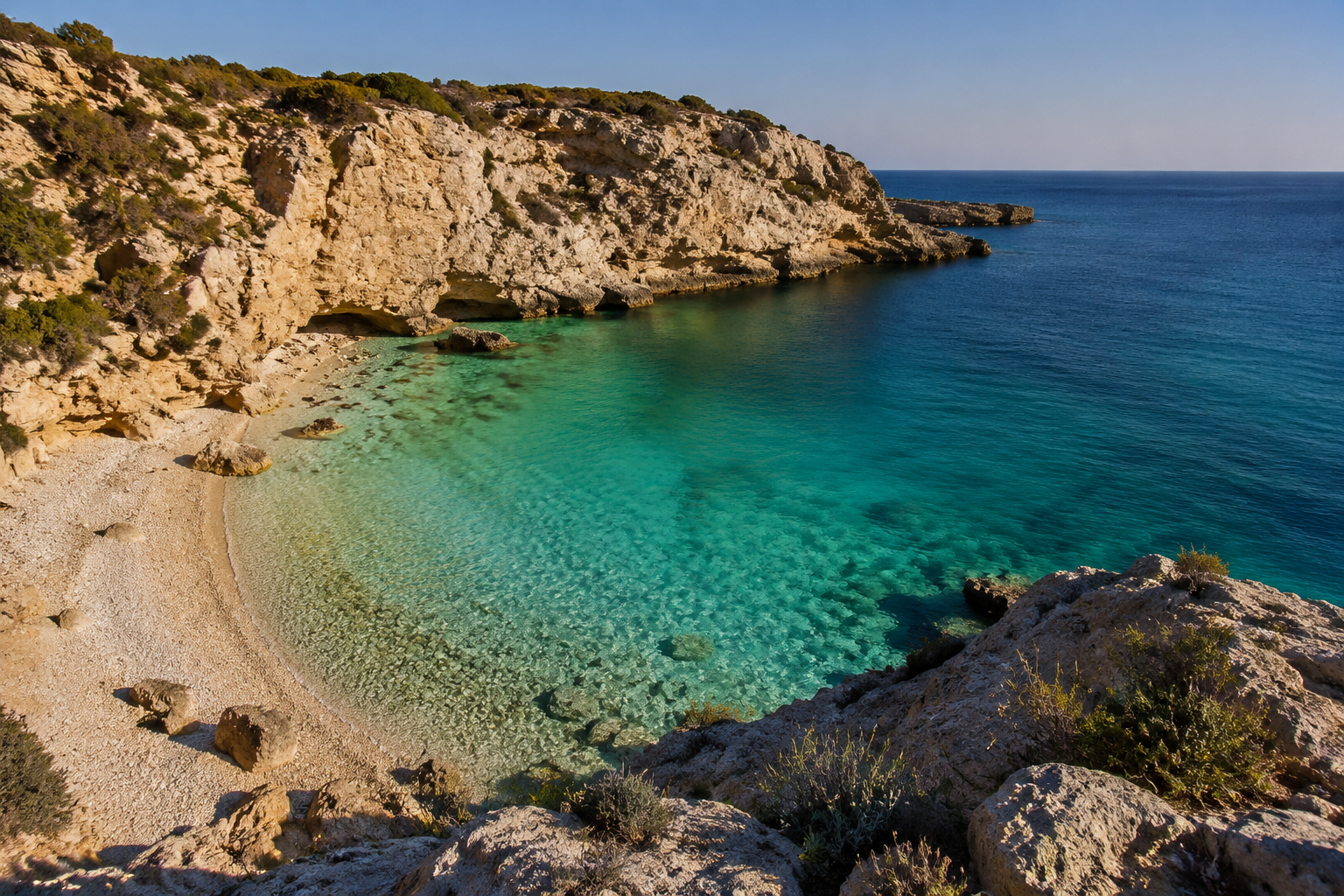
Malta, Gozo, and Comino are surrounded by clear blue water and a rugged limestone coastline. Beneath the surface, that landscape continues through ledges, swim-throughs, drop-offs, caverns, and natural arches.
Several popular locations have protected entry points where beginners can practise essential skills. More experienced divers can explore deeper wrecks and complex underwater terrain under appropriate supervision.
The infrastructure supporting diving in Malta is another advantage. Equipment rental, boat trips, shore-diving transport, guided dives, and internationally recognised training programs are widely available.
English is also commonly spoken, helping international visitors understand safety briefings and communicate comfortably with their instructors.
What Beginners Should Learn Before Entering the Sea
Scuba diving is accessible to beginners, but proper instruction is essential. You should never attempt to dive independently without recognised training and suitable supervision.
An introductory experience usually begins with a briefing about breathing, equalising pressure, clearing water from the mask, recovering the regulator, and communicating underwater.
Breathing Through a Regulator
Breathing underwater may initially feel unusual. The most important habit is to breathe slowly and continuously rather than holding your breath.
Controlled breathing reduces anxiety and helps conserve air. It also makes buoyancy easier to manage as you begin moving through the water.
Equalising Ear Pressure
Pressure increases as you descend. Divers must equalise their ears gently and frequently, starting before discomfort appears.
If your ears do not equalise, signal the instructor and ascend slightly. Never force the descent or continue while experiencing pain.
Understanding Buoyancy
Good buoyancy allows you to remain at a chosen depth without sinking or floating upward unexpectedly. It protects marine habitats and helps you avoid stirring sediment from the seabed.
Buoyancy takes practice. Your instructor will help you adjust your weights, breathing rhythm, and buoyancy control device until your movements become smoother.
A reliable beginner scuba diving guide should always prioritise breathing, pressure control, communication, and buoyancy before introducing more adventurous environments.
Choosing the Right Scuba Course
Travelers who only want to experience scuba diving once can book a supervised introductory dive. This typically includes basic instruction, shallow-water practice, and a carefully controlled open-water session.
Those who want to dive regularly should complete an entry-level certification course. Training generally includes theory, confined-water exercises, open-water dives, and practical safety assessments.
Choose a reputable dive center that asks about your health, explains the day’s conditions, maintains its equipment, and keeps groups appropriately small. A responsible operator should never pressure a nervous diver to descend.
For a comfortable Malta scuba diving experience, tell the instructor honestly about your swimming ability, previous diving experience, medical concerns, and any anxiety around deep water.
The Best Season for Scuba Diving in Malta
Diving is possible throughout much of the year, although water temperature, wind, and surface conditions change with the seasons.
Late spring through autumn generally offers warmer conditions. Summer brings comfortable water temperatures and long, bright days, but popular sites may be busier.
Spring and autumn can provide a quieter atmosphere while still offering enjoyable diving conditions. Winter diving is possible for properly equipped divers, although cooler water and changing weather require additional preparation.
Conditions can vary between different sides of the islands. When wind affects one coast, a dive center may move the group to a more sheltered location.
Beginner-Friendly Dive Sites in Malta
The best first dive is not necessarily the most famous location. Beginners benefit from calm entries, moderate depths, good visibility, and simple navigation.
Għar Lapsi
Għar Lapsi is a naturally sheltered inlet on Malta’s southwestern coast. Its relatively protected water and varied underwater scenery make it a popular location for training and relaxed recreational dives.
Beneath the surface, divers can encounter rocky corridors, patches of seagrass, small caverns, and sunlight filtering through openings in the limestone.
Cirkewwa
Cirkewwa is one of Malta’s best-known shore-diving areas. It provides access to reefs, walls, arches, and wrecks, although the precise route must match the diver’s certification and experience.
Beginners can explore suitable sections of the reef with an instructor while observing fish around rocky ledges. Certified divers may gradually progress toward the area’s deeper attractions.
Xatt l-Aħmar in Gozo
Xatt l-Aħmar has a scenic shoreline and several underwater routes. The site is known for reefs and wrecks, but entry conditions and depth should always be evaluated before a dive.
Less experienced divers can remain within an appropriate depth range while enjoying the rocky landscape and clear Gozo water.
Exploring these beginner-friendly Malta dive sites with a local professional ensures that the route reflects current weather, visibility, and individual ability.
Malta’s Best Wreck Dives
Malta has an impressive collection of submerged vessels and aircraft. Some were deliberately placed underwater to form diving attractions, while others have genuine wartime histories.
Wreck diving requires discipline. Depth, overhead spaces, sharp surfaces, currents, and entanglement hazards can make a wreck more demanding than an open reef.
Beginners should admire suitable wrecks from the exterior unless they have completed the training required for penetration.
HMS Maori
HMS Maori is a British destroyer wreck resting in relatively shallow water near Valletta. Its accessible depth and historical character make it one of Malta’s most suitable wreck experiences for newer certified divers.
Although the wreck has deteriorated over time, recognisable sections remain. Marine growth covers parts of the structure, while fish shelter around openings and scattered metalwork.
The site can offer an approachable introduction to wreck observation when visibility and sea conditions are favourable.
P29 Patrol Boat
The P29 is a former patrol vessel resting off Cirkewwa. Its upright position creates a striking silhouette, and features such as the mast, deck, and bridge make it particularly photogenic.
Because the wreck reaches deeper water, it is better suited to certified divers with the appropriate depth qualification. New divers can work toward this experience through additional training and gradual depth progression.
Rozi Tugboat
The Rozi is another celebrated wreck near Cirkewwa. The tugboat remains upright on the seabed and attracts marine life around its deck, wheelhouse, and surrounding structure.
Its depth means it is not an entry-level training dive. However, it can become an excellent objective for beginners who continue developing their buoyancy, air management, and deep-diving skills.
Um El Faroud
The Um El Faroud is a large tanker wreck near Wied iż-Żurrieq. Its scale is immediately impressive, with substantial sections that reward more than one dive.
This wreck is intended for experienced and appropriately qualified divers. Depth, size, and potential overhead environments require careful planning and controlled gas management.
MV Karwela
Located off Gozo, the MV Karwela is known for its imposing structure and famous internal staircase. It is a memorable wreck, but its depth and penetration possibilities demand advanced skills.
Divers without wreck-penetration training should remain outside and follow the guide’s planned route.
These historic wreck dives around Malta demonstrate why the islands have such a strong international diving reputation. Each wreck must nevertheless be approached according to certification level rather than visual appeal alone.
Marine Life You May Encounter
The Mediterranean does not usually have the dense coral gardens associated with tropical destinations. Its appeal comes from rocky ecosystems, seagrass habitats, unusual invertebrates, and fish that reveal themselves to patient observers.
Octopuses and Cuttlefish
Octopuses often hide inside crevices or beneath rocks. Their changing colours and remarkable camouflage can make them difficult to notice.
Cuttlefish may hover above the seabed using gentle movements along the edges of their bodies. Give these animals space and avoid chasing them for photographs.
Groupers, Bream, and Barracuda
Sea bream are common around reefs and rocky areas. Groupers may be spotted near ledges, caves, and deeper sections of the reef.
Schools of barracuda occasionally appear in open water or around prominent underwater structures. Their controlled movement can be one of the most memorable sights of a Mediterranean dive.
Moray Eels and Scorpionfish
Moray eels frequently remain partially concealed in holes, with only their heads visible. Their open-mouth movement is usually part of breathing rather than a sign of aggression.
Scorpionfish use excellent camouflage against the rocks. Because their spines can cause injury, divers should maintain neutral buoyancy and avoid placing their hands on the seabed.
Seahorses and Nudibranchs
Small marine animals reward slow observation. Seahorses may occur around suitable sheltered habitats, while colourful nudibranchs can be found moving across rocks and marine growth.
A skilled local guide can help you notice creatures that inexperienced eyes might otherwise miss.
Rays, Turtles, and Other Occasional Visitors
Rays may be seen resting on sandy patches or gliding over the seabed. Sea turtles and larger pelagic animals are possible but should be considered fortunate encounters rather than guaranteed sightings.
The variety of Mediterranean marine life changes with location, depth, season, and time of day. Enter every dive with curiosity rather than a rigid wildlife checklist.
Essential Equipment for Your First Dive
A standard recreational setup includes a mask, snorkel, fins, exposure suit, regulator, cylinder, buoyancy control device, weights, and pressure gauge.
Divers also use a depth-and-time monitoring device or dive computer. Depending on the site, a surface marker buoy and cutting tool may form part of the safety equipment.
Malta’s water can feel cooler at depth than it does at the surface. Wear the exposure protection recommended by the dive center rather than choosing a thin suit based only on the air temperature.
Check that the mask seals properly and that the fins fit without causing painful pressure. Comfort makes it easier to concentrate on breathing and buoyancy.
Safety Rules Every Beginner Should Follow
Always dive with a trained buddy or professional guide. Stay close enough to communicate and respond if either diver needs assistance.
Monitor your air supply regularly and communicate it honestly. Never conceal rapid air consumption out of embarrassment.
Descend and ascend slowly, follow the planned maximum depth, and complete any safety stop directed by your instructor or dive computer.
Do not touch wrecks, enter enclosed spaces without training, or remove objects from the seabed. Maintain enough distance to prevent accidental contact with sharp metal and fragile marine habitats.
Avoid flying immediately after scuba diving. Follow the surface-interval guidance provided by your training organisation and dive professional.
Most importantly, remember that any diver can end a dive at any time. Feeling cold, uncomfortable, anxious, tired, or unwell is a valid reason to return safely to the surface.
How to Protect Malta’s Underwater Environment
Responsible diving is based on observation rather than interaction. Never feed, hold, chase, or reposition marine animals for photographs.
Practise buoyancy over sand before approaching delicate habitats. Secure hoses, gauges, and accessories so they do not drag across the seabed.
Avoid collecting shells, pottery fragments, metal objects, or other underwater discoveries. Wrecks and archaeological remains belong to the shared cultural environment and should remain undisturbed.
Following responsible diving practices in Malta protects the scenery that makes the islands so rewarding for future divers.
Preparing for Your First Mediterranean Dive
Sleep well before the dive and avoid excessive alcohol the previous evening. Eat a light meal, drink sufficient water, and arrive early enough to prepare without rushing.
Listen carefully during the briefing, even if some information appears simple. Confirm the hand signals, entry method, route, maximum depth, expected duration, and procedure for becoming separated from the group.
Ask questions before entering the water. Good instructors appreciate clear communication and would rather repeat an explanation than allow uncertainty to follow you underwater.
Your first dive does not need to be deep or dramatic. The real achievement is learning to breathe calmly, move efficiently, and feel comfortable in a completely new environment.
Begin Your Mediterranean Diving Journey in Malta
Malta combines accessible shore entries, striking limestone formations, historic wrecks, and distinctive marine life within a compact island destination.
Beginners can start in sheltered water and progressively build the skills required for deeper reefs and wreck sites. With professional instruction, suitable equipment, and respect for personal limits, the experience can be both exciting and reassuring.
Approach your first dive slowly, remain attentive to your instructor, and appreciate the smaller details around you. The Mediterranean Sea often reveals its beauty gradually—and that sense of discovery is precisely what makes scuba diving in Malta unforgettable.
Related Post

Understanding the Vibrant Traditions of Maltese Village Festas
Understanding the Vibrant Traditions of Maltese Village Festas Maltese village festas are among the most…