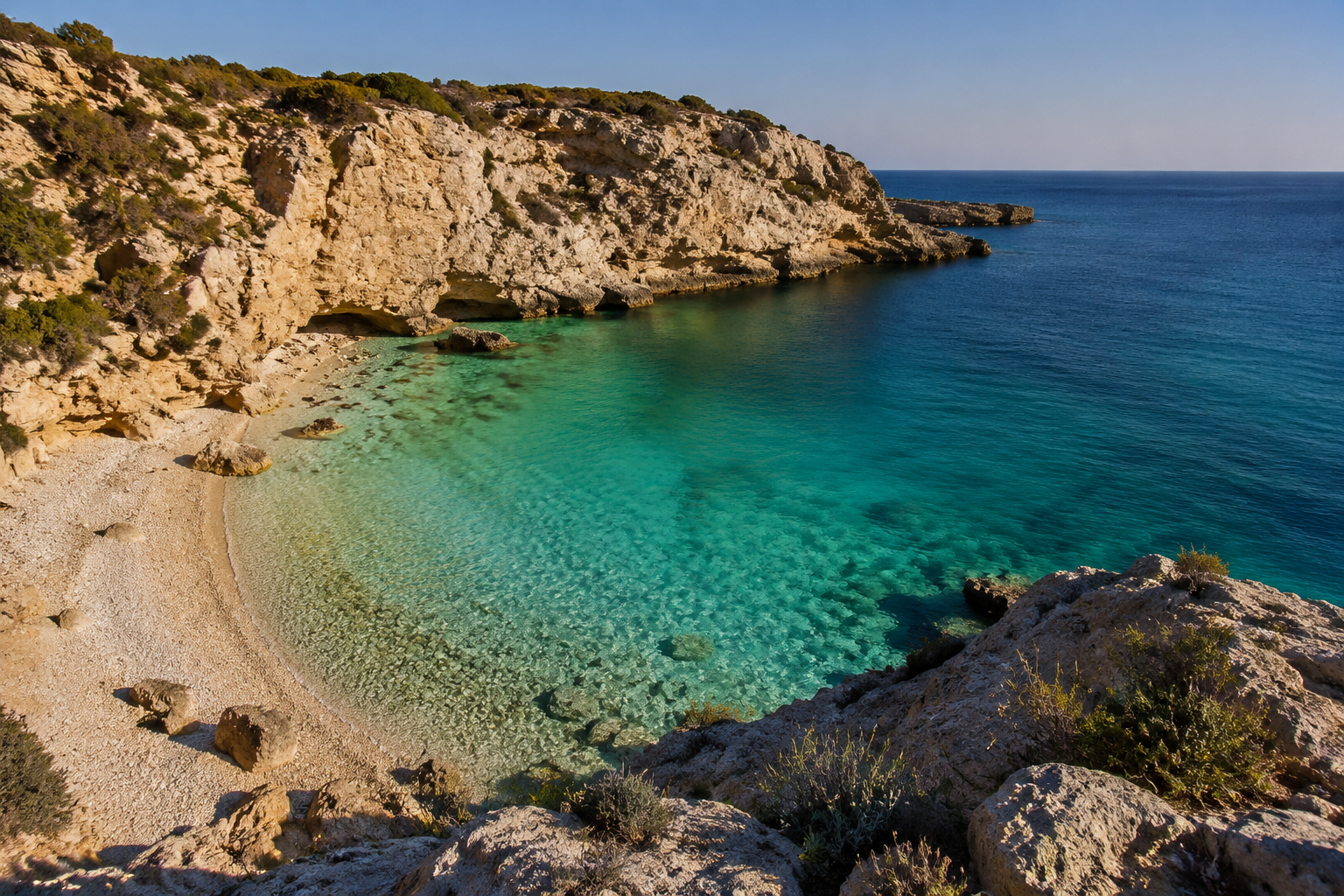
Fresh Mediterranean Seafood by the Beach: A Coastal Culinary Travel Experience
Sundown Malta >> Destinations>>Sunset Malta>> Fresh Mediterranean Seafood by the Beach: A Coastal Culinary Travel Experience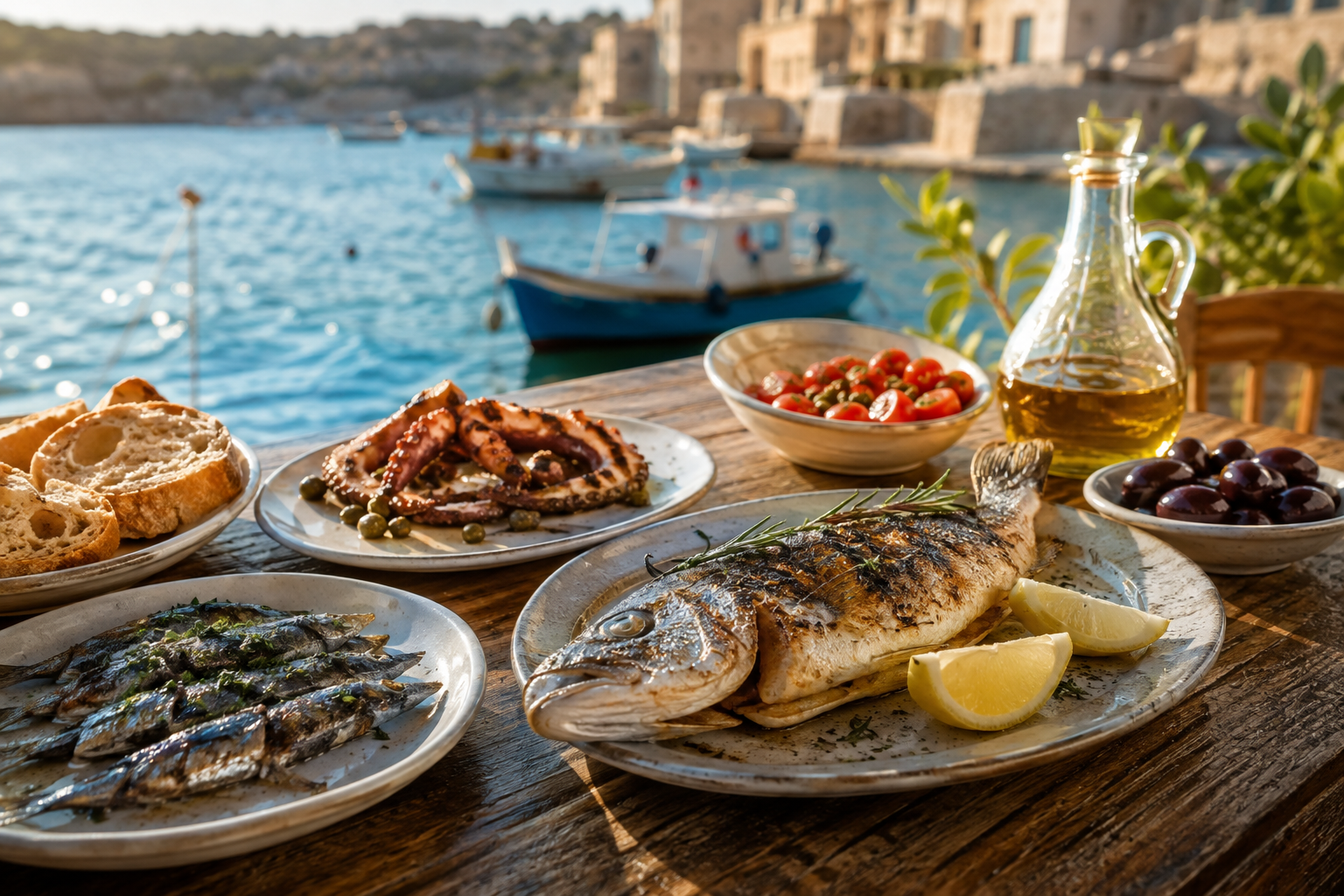
Fresh Mediterranean Seafood by the Beach: A Coastal Culinary Travel Experience
The Mediterranean coast has a distinctive way of awakening the appetite. Salty air drifts across the terrace, fishing boats sway gently in the harbor, and the aroma of seafood sizzling over hot charcoal mingles with lemon, garlic, and wild herbs.
Here, dining is more than simply choosing a meal. It is an invitation to slow down, watch the sunlight dance across the water, and discover how freshly caught fish can express the character of an entire coastline.
Charcoal-Grilled Sea Bass with Lemon and Coastal Herbs
Sea bass is one of the purest expressions of Mediterranean cooking. Its delicate white flesh requires little embellishment, especially when the fish arrives fresh from a nearby harbor.
The whole fish is usually scored, brushed with extra-virgin olive oil, and seasoned with sea salt. Fresh rosemary, parsley, or thyme may be tucked inside its cavity before it is placed over glowing charcoal.
As the skin meets the grill, it becomes beautifully crisp while the flesh remains moist and tender. A squeeze of lemon adds brightness without overwhelming the fish’s naturally sweet flavor.
This uncomplicated preparation captures the essence of fresh Mediterranean cuisine, where excellent ingredients are respected rather than hidden beneath heavy sauces. Served beside the sea, every bite feels clean, fragrant, and deeply connected to the surrounding landscape.
Lampuki with Tomatoes, Capers, and Black Olives
Lampuki, also known as mahi-mahi or dorado, is especially cherished around Malta during its seasonal migration. Its firm texture and mild flavor make it wonderfully versatile in coastal kitchens.
One traditional preparation begins by lightly searing the fish until its surface turns golden. It is then paired with ripe tomatoes, salty capers, black olives, garlic, and a splash of white wine.
The sauce gradually thickens around the lampuki, filling each piece with sweet, tangy, and savory notes. Capers provide a sharp coastal accent, while olives contribute a mellow richness that lingers pleasantly on the palate.
For travelers seeking authentic local seafood in Malta, seasonal lampuki offers a memorable taste of island life. It reflects the rhythm of the fishing calendar and the resourcefulness of cooks who transform a daily catch into something generous and comforting.
Baked Dentex with Potatoes and White Wine
Dentex is prized throughout the Mediterranean for its firm, succulent flesh and subtly sweet character. Because it is naturally flavorful, coastal chefs often roast it whole to preserve its juices.
The fish is placed in a shallow baking dish over thinly sliced potatoes, onions, cherry tomatoes, and garlic. Olive oil flows between the layers, while white wine creates aromatic steam as the dish cooks.
Slow roasting allows the potatoes to absorb the fish juices, herbs, and wine. Their edges become golden and lightly crisp, while the centers remain soft and intensely savory.
This dish is ideal for a relaxed Mediterranean culinary journey because it encourages communal dining. The whole fish arrives at the table surrounded by vegetables, inviting everyone to share while looking out across the water.
Swordfish Steak with Mint, Garlic, and Citrus
Swordfish has a meaty texture that distinguishes it from more delicate varieties. Cut into thick steaks, it can withstand high heat while remaining juicy at the center.
Mediterranean cooks often marinate swordfish briefly in olive oil, garlic, lemon zest, and chopped mint. The fish is then grilled quickly, developing smoky lines and a lightly caramelized exterior.
The result is substantial yet refreshing. Garlic adds warmth, citrus brings brightness, and mint leaves a cooling finish that feels particularly satisfying on a sunny afternoon.
A simple salad of tomatoes, cucumber, red onion, and parsley makes an ideal accompaniment. Together, these elements create the kind of beachside seafood experience that feels both rustic and refined.
Red Mullet Fried Until Delicately Crisp
Red mullet may be small, but its flavor is remarkably rich. Its rosy skin and tender flesh have made it a favorite in fishing villages and family-run coastal restaurants.
The fish is lightly dusted with seasoned flour before being fried in hot oil. This creates a thin, crisp coating while protecting the moist flesh inside.
Served immediately with lemon wedges, red mullet delivers a delightful contrast of textures. The skin crackles gently, while the meat tastes sweet, savory, and unmistakably fresh.
There is something wonderfully informal about eating small fried fish by hand while watching waves roll toward the shore. It transforms a simple plate into an authentic moment of coastal food travel, shaped by atmosphere as much as flavor.
Sea Bream Baked in a Sea-Salt Crust
Sea bream is highly regarded for its moist flesh and clean, slightly sweet flavor. Baking it inside a crust of coarse sea salt is one of the most dramatic ways to prepare it.
The fish is left whole and covered completely with dampened salt. During baking, the shell hardens and traps steam, allowing the sea bream to cook gently in its own moisture.
When the crust is cracked open at the table, a fragrant cloud escapes. Beneath it lies exceptionally tender fish that tastes pure and naturally seasoned rather than salty.
A drizzle of olive oil and a few drops of lemon are often all it needs. This restrained technique represents the elegance of traditional Mediterranean seafood, where careful cooking enhances the ingredient without changing its essential identity.
Octopus Stewed with Wine, Tomatoes, and Bay Leaves
Although octopus is not a fish, it remains an essential part of the Mediterranean seafood table. When prepared patiently, its flesh becomes tender and deeply flavorful.
The octopus is simmered slowly with tomatoes, onions, garlic, bay leaves, and red wine. Long cooking softens its texture while concentrating the sauce into a rich, aromatic glaze.
Each piece carries a gentle sweetness, balanced by the acidity of tomatoes and the earthy warmth of wine. Rustic bread is often served alongside it, perfect for collecting every drop of sauce from the plate.
Some coastal chefs finish the octopus over charcoal after simmering. This gives the edges a smoky crispness while keeping the interior soft, creating a satisfying contrast in every bite.
Pan-Seared John Dory with Caper Butter
John Dory is immediately recognizable by its flat body and distinctive dark marking, but its real appeal lies in its delicate, refined flesh. The fillets have a mild sweetness and a soft texture that benefits from precise cooking.
A hot pan creates a thin golden crust while leaving the center pearly and moist. The fish is then finished with butter, capers, lemon juice, and fresh parsley.
The butter adds richness, while capers and lemon prevent the dish from feeling heavy. Each mouthful moves gracefully between creamy, salty, and bright flavors.
This preparation suits an elegant seaside dinner, particularly as the afternoon light fades and the coastline begins to glow. It demonstrates how a handful of familiar ingredients can become sophisticated when balance and freshness guide the cooking.
Sardines Grilled Over an Open Flame
Fresh sardines are among the most honest foods served along the Mediterranean coast. Their bold flavor, natural oils, and tender flesh make them perfect for open-flame grilling.
The fish are usually seasoned with nothing more than sea salt and a touch of olive oil. As they cook, their skins blister and release a smoky aroma that quickly fills the air.
Grilled sardines taste rich yet surprisingly clean when finished with lemon and chopped parsley. A spoonful of tomato relish or a slice of crusty bread completes the plate.
Their simplicity makes them central to authentic island dining. Rather than presenting luxury through elaborate decoration, sardines celebrate freshness, seasonality, and the pleasure of eating close to where the food was caught.
Tuna Tataki with Sesame and Mediterranean Citrus
Fresh tuna brings a contemporary edge to the coastal table. Its dense, ruby-colored flesh can be briefly seared while remaining soft and nearly raw at the center.
For Mediterranean-style tataki, the tuna is coated lightly with sesame seeds and placed in a very hot pan. After a few moments on each side, it is sliced into neat pieces and dressed with citrus juice, olive oil, and a hint of chili.
The exterior offers a toasted, nutty flavor, while the center remains cool and buttery. Orange or lemon zest adds perfume, creating a dish that feels refreshing despite the tuna’s richness.
This modern preparation shows how Mediterranean coastal cuisine continues to evolve. Traditional ingredients and local catches can be interpreted creatively without losing their connection to the sea.
The Pleasure of Eating Seafood Beside the Mediterranean
Seafood tastes different when the source is visible from the table. The sound of waves, the glow of sunset, and the scent of salt in the air create a sensory setting that no enclosed dining room can fully reproduce.
The most memorable coastal meals rarely depend on complicated recipes. They rely on fish caught at the right moment, vegetables ripened under generous sunlight, fragrant herbs, good olive oil, and cooks who understand when to let ingredients speak for themselves.
Choosing seasonal catches also makes the experience more meaningful. Instead of searching for the same dish everywhere, curious travelers can ask what arrived from the boats that morning and allow the coastline to determine their meal.
From smoky sardines and tender sea bream to robust swordfish and saucy lampuki, Mediterranean seafood carries the unmistakable flavor of its environment. Enjoyed slowly at the water’s edge, it becomes more than lunch or dinner—it becomes a delicious memory of the sea.
Related Post

The Ultimate Guide to Maltese Wine Tasting and Vineyard Tours
The Ultimate Guide to Maltese Wine Tasting and Vineyard Tours Wine tasting Malta is an…