Understanding the Vibrant Traditions of Maltese Village Festas
Sundown Malta >> Malta Travel Guide>>Destinations>>Sunset Malta>> Understanding the Vibrant Traditions of Maltese Village Festas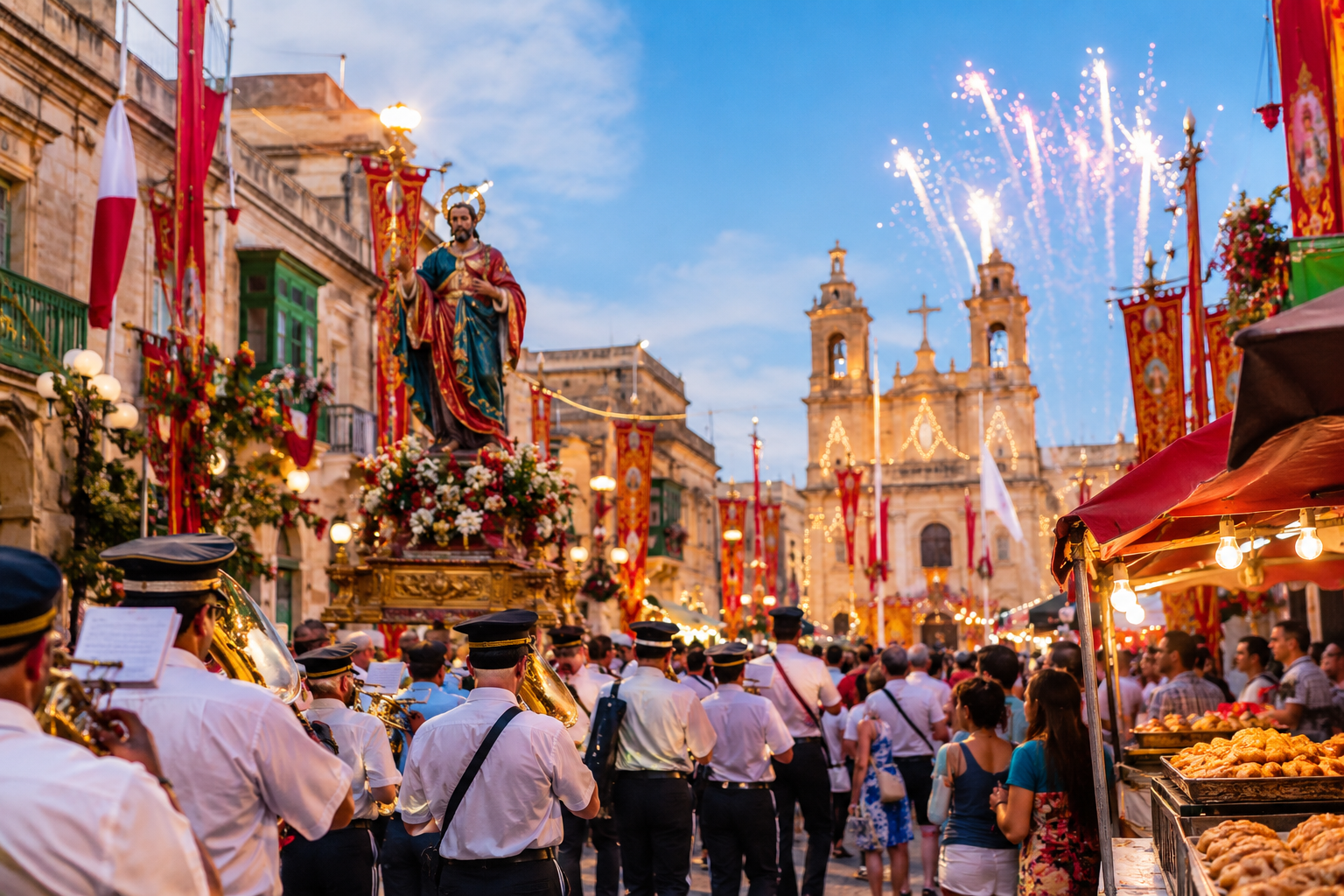
Understanding the Vibrant Traditions of Maltese Village Festas
Understanding the Vibrant Traditions of Maltese Village Festas
Maltese village festas are among the most colorful and deeply rooted celebrations in Malta. They bring communities together through music, elaborate decorations, spectacular fireworks, traditional food, and a strong sense of local identity.
For visitors, experiencing a festa offers much more than an evening of entertainment. It is an opportunity to see how history, faith, family traditions, craftsmanship, and Mediterranean culture continue to shape everyday life in Malta.
From the first decorations appearing in village streets to the final fireworks lighting up the night sky, a festa transforms an ordinary community into a lively celebration filled with sound, color, and flavor.
What Are Maltese Village Festas?
A Maltese festa is a traditional village celebration associated with the patron saint of a particular parish. Although religious traditions are at the heart of many festas, the celebrations have developed into major social and cultural occasions.
Villages spend considerable time preparing for their annual festa. Streets may be decorated with banners, statues, lights, flags, and colorful ornaments. Residents often take great pride in making their community look especially impressive during this important period.
The atmosphere can change dramatically as the festa approaches. Quiet streets become gathering places where families, friends, musicians, food vendors, and visitors come together.
The result is one of the most distinctive expressions of Maltese village festas, combining religious heritage with a lively communal spirit.
The Religious Roots Behind the Celebrations
The origins of many Maltese festas are closely connected to Catholic parish traditions. Each village typically celebrates its patron saint on a particular feast day, creating an annual occasion that local residents anticipate throughout the year.
Religious ceremonies may include processions, church services, and the public display of the patron saint’s statue. For local communities, these traditions can carry generations of family memories.
However, the festa is not limited to formal religious activities. It also provides a social occasion where neighbors reconnect, families celebrate together, and younger generations experience customs that have been passed down over time.
This combination of spirituality and community helps explain why traditional Malta festivals remain such an important part of the country’s cultural identity.
Fireworks: The Dramatic Heart of a Maltese Festa
Fireworks are one of the most recognizable features of a Maltese festa. Malta has a long tradition of pyrotechnic craftsmanship, and village celebrations provide an important stage for this highly developed local art.
Daytime Fireworks and Spectacular Displays
Festa fireworks are not always limited to nighttime. Some celebrations feature daytime pyrotechnic displays that create dramatic effects against the bright Mediterranean sky.
Nighttime displays can be even more impressive. Bursts of light appear above churches and village rooftops, often accompanied by loud explosions that can be heard throughout the surrounding area.
For many communities, fireworks represent both celebration and friendly local pride. Different villages may have their own traditions, techniques, and expectations surrounding the quality and style of their displays.
Visitors interested in experiencing Maltese fireworks traditions should expect a powerful combination of light, sound, craftsmanship, and communal excitement.
Band Marches and the Sound of the Village
Music is another essential part of the festa experience. Local band clubs play an important cultural role, with marching bands filling the streets with energetic performances.
Why Band Clubs Matter
Band clubs are more than musical organizations. They are community institutions that can involve musicians, families, volunteers, and supporters of different generations.
During a festa, marching bands move through decorated streets while playing lively music. Crowds gather along the routes, creating an atmosphere that can feel spontaneous and highly energetic.
The tradition reflects the social character of Maltese villages. Music becomes a way for people to participate collectively rather than simply watch a performance.
For travelers exploring traditional Malta festivals, a band march can be one of the best ways to understand the communal energy behind the celebration.
A Celebration That Fills the Streets
The combination of music, crowds, decorations, and fireworks creates a distinctive sensory experience. A village festa is not something that happens in one isolated location.
Instead, the celebration often spreads through streets, squares, churches, and surrounding neighborhoods. This makes walking through the village an important part of experiencing the event.
Street Food: Tasting Malta During Festa Season
Food adds another important dimension to Maltese village celebrations. During festas, temporary food stalls and local vendors become gathering points for hungry visitors and residents.
Popular Festa Foods
Street food during a festa can include savory pastries, grilled meats, sandwiches, sweets, and other easy-to-eat local specialties. Some vendors also offer traditional Maltese snacks that reflect the country’s culinary history.
Pastizzi are particularly associated with Maltese food culture. These flaky pastries are commonly filled with ricotta or a seasoned pea mixture, making them a convenient snack while walking through crowded streets.
Other treats may include sweet pastries, nougat, ice cream, and freshly prepared foods designed to be enjoyed outdoors.
Exploring Maltese street food traditions during a festa allows visitors to experience local cuisine in a distinctly social setting.
Food as Part of Mediterranean Culture
Food is deeply connected to Mediterranean culture, where meals and shared snacks often become opportunities for conversation and community.
During a Maltese festa, eating is rarely just about satisfying hunger. Families and friends gather around food stalls, share treats, and continue conversations while music and celebrations take place around them.
This informal combination of food and social interaction gives the festa much of its welcoming character.
Village Decorations and Local Pride
One of the first things visitors may notice is the transformation of the village itself. Streets that normally look familiar can become dramatically different during festa season.
Decorative lights, colorful banners, flags, and religious symbols are commonly used to create a festive environment. Churches may become the visual centerpiece, while surrounding streets take on their own decorative character.
Local organizations and residents often invest significant effort into these preparations. The decorations are not merely background scenery; they communicate pride in the village and its traditions.
Walking through a decorated village can therefore reveal another layer of Mediterranean culture, where public spaces become important settings for community celebrations.
How to Experience a Maltese Festa Respectfully
Visitors can enjoy a festa while remaining respectful of its religious and cultural significance.
Dress comfortably for walking and be prepared for crowds, particularly around churches and major procession routes. If entering a church, follow any local expectations regarding appropriate clothing and behavior.
It is also worth remembering that festas are community celebrations rather than performances created solely for tourists. Observing local customs and allowing residents space during religious processions can make the experience more enjoyable for everyone.
Try local food, listen to the bands, explore the decorated streets, and take time to appreciate the craftsmanship behind the decorations and fireworks.
Travelers looking to discover more about Malta’s local character can also explore Maltese cultural experiences that place village traditions within the wider history of the islands.
Why Maltese Festas Remain So Important
Modern Malta has changed considerably, but village festas continue to connect communities with their past.
Older generations pass traditions to younger residents, while local clubs and families continue contributing to music, decorations, food, and celebrations.
The annual nature of these events is particularly meaningful. Each festa becomes a recurring point in the community calendar, creating memories that families can share across generations.
For visitors, this offers a glimpse into Malta beyond its famous beaches, historic architecture, and Mediterranean landscapes.
A festa reveals the social side of the islands: loud, colorful, welcoming, emotional, and deeply connected to local identity.
Discovering Malta Through Its Festa Traditions
Experiencing Maltese village festas provides a memorable introduction to the country’s living heritage. Fireworks reveal generations of specialist craftsmanship, band marches demonstrate the strength of community music, and street food brings people together through shared flavors.
These celebrations also demonstrate why Malta’s village traditions remain such an important part of the island’s cultural character.
Rather than existing only as historical customs, festas continue to evolve while retaining their distinctive identity. They bring together religion, music, food, artistry, family, and community in a way that feels unmistakably Maltese.
For anyone fascinated by Mediterranean cultural traditions, attending a village festa is an experience worth including in a Malta itinerary.
The streets may be crowded, the music may be loud, and the fireworks may continue late into the evening, but that energy is precisely what makes the experience special.
A Maltese festa is not simply an event to observe. It is a celebration to walk through, listen to, taste, and experience alongside the community.
Related Post
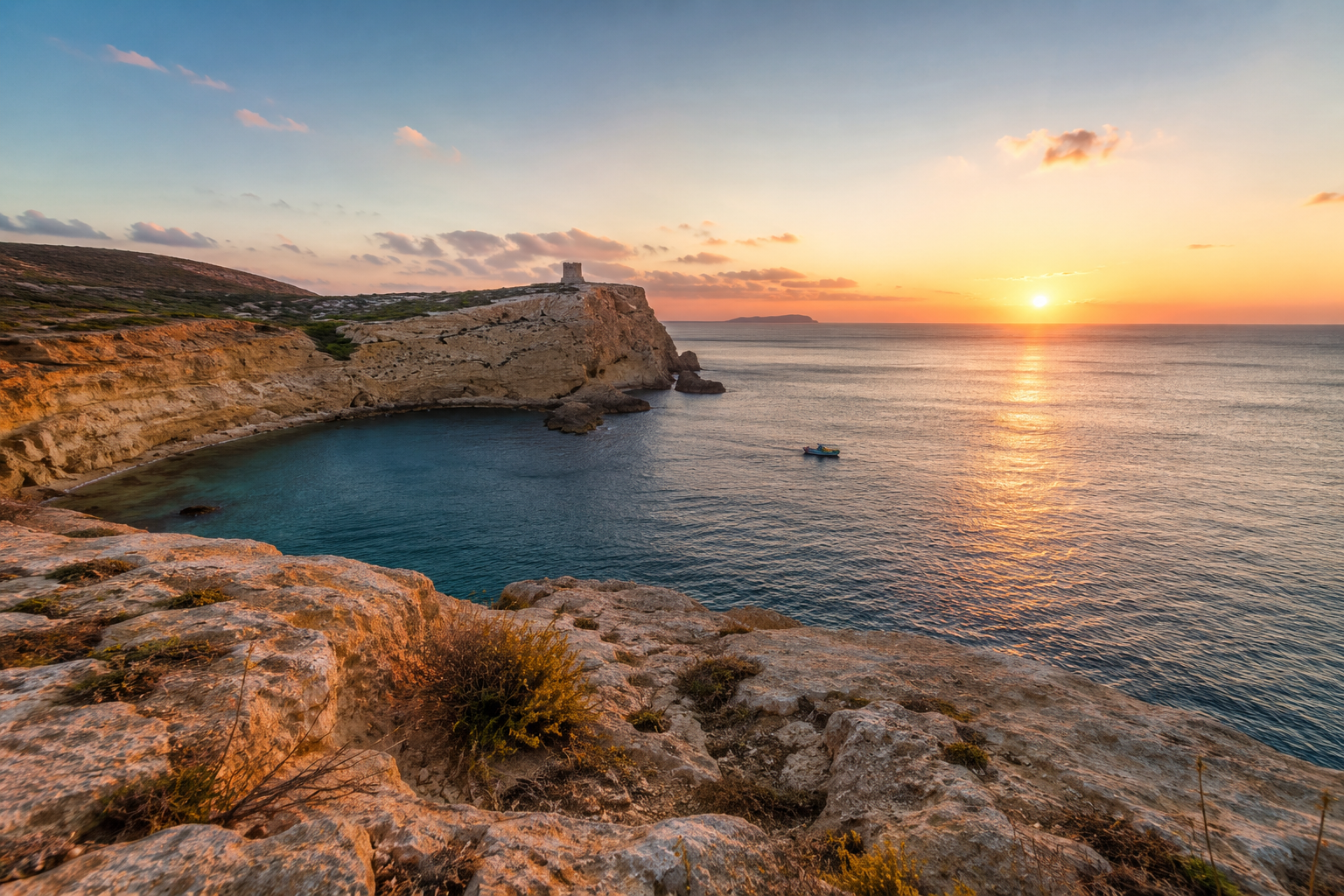
Rekomendasi Destinasi Musim Panas Terbaik untuk Menikmati Sunset di Malta
Malta memiliki cara istimewa untuk mengakhiri hari. Ketika matahari perlahan turun menuju Laut Mediterania, dinding…